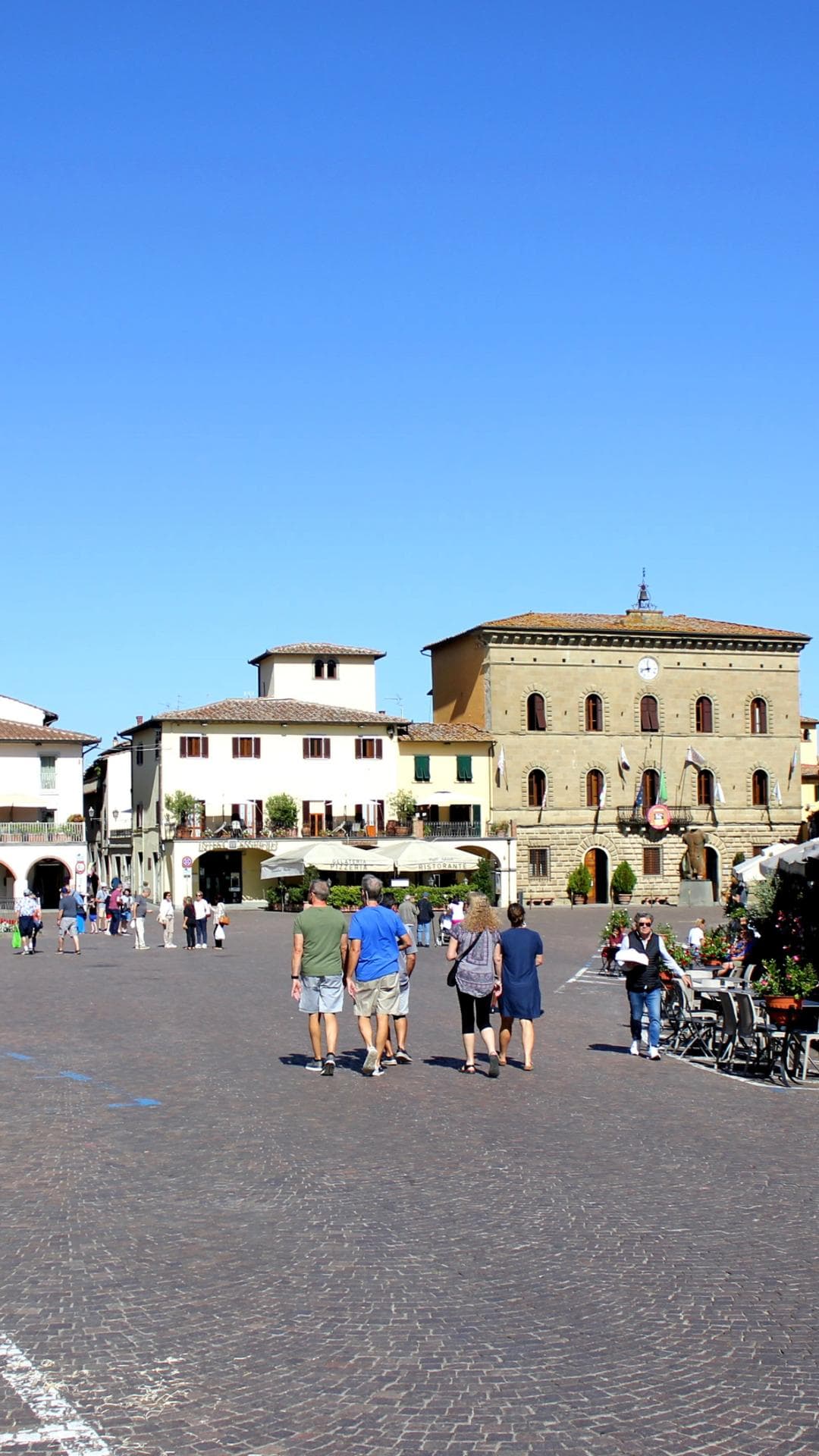
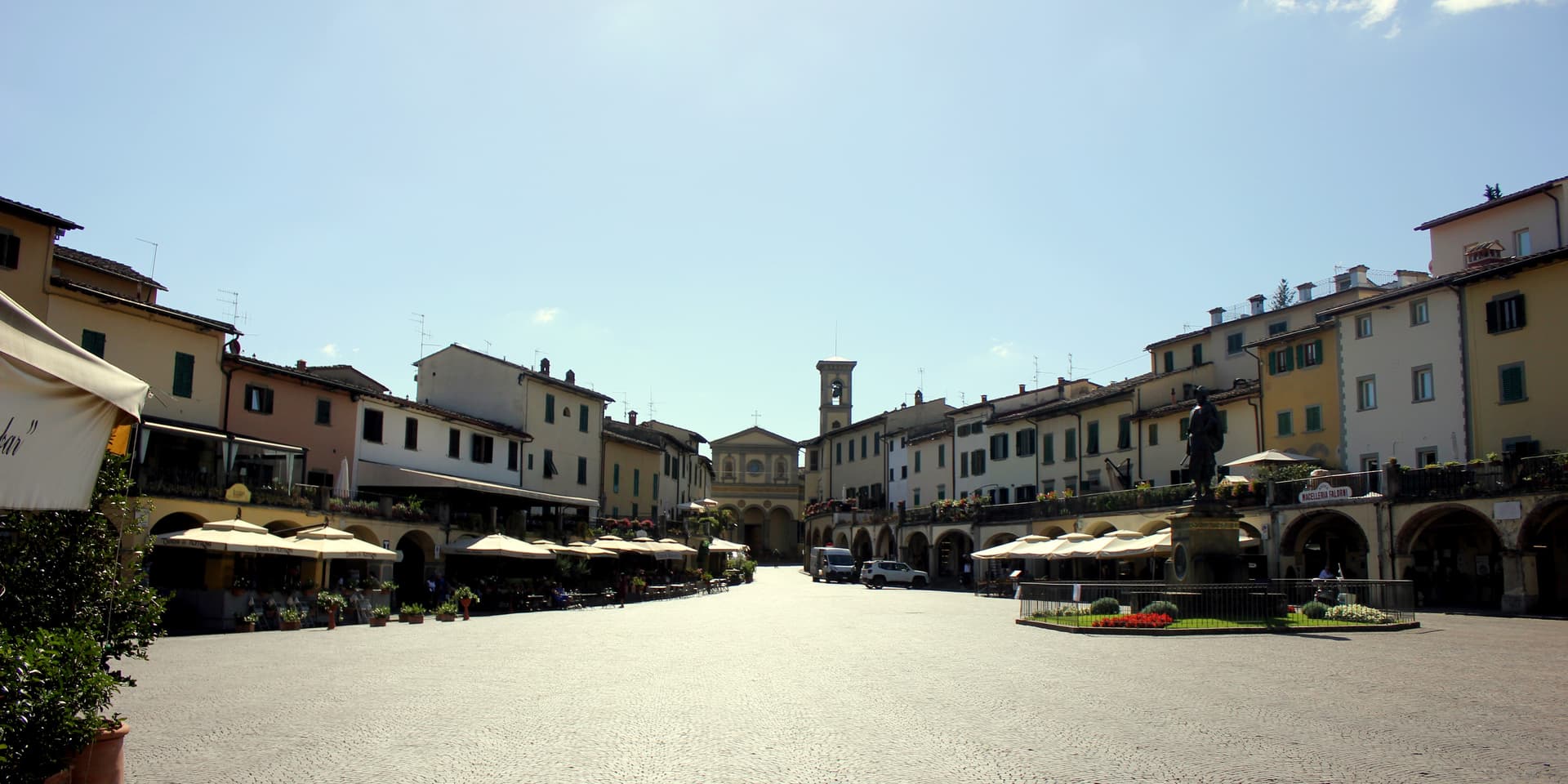
Greve in Chianti is no longer just a destination for those who love good wine. Today it represents a natural laboratory for tourism transformation, a territory that is evolving from a tasting destination to a true immersive experience.
In recent years the Chianti has undergone a significant change: from traditional enotourism, based mainly on visits to the winery, tasting and purchase, we have moved to a more articulated model, where the wine becomes the starting point of a broader narrative.
From product to experience
In the past, one would come to “taste a Chianti Classico.” Today one comes to experience it.
More and more wine-producing companies are changing their role in the market: no longer just places of production, but experiential spaces capable of involving the visitor emotionally, culturally, and relationally. Wine is no longer just a product, but a bridge to the territory.
The contemporary visitor seeks authenticity. They want to understand the story of a family, walk among the vines, listen to the tale of the harvest, perceive the identity of a place. In this context, experiential marketing applied to wine fits in: a strategy that aims to create lasting memories, sensations and emotions.
Why Greve in Chianti?
Greve in Chianti possesses characteristics that make it particularly suited to this model: a wide rural area still authentic, a strong landscape identity, strategic proximity to Florence, and a designation recognized internationally.
These elements represent an important competitive advantage, especially in a tourist market increasingly oriented toward personalized and high-quality experiences.
A slower and more mindful tourism
The data show a growing presence of foreign visitors, attracted not only by the designation but also by the territory's enogastronomic and cultural traditions. Interest is turning toward slow tourism, capable of valuing family-owned businesses, parish churches and small historic centers, artisanal productions, and exceptional panoramas: one no longer seeks quantity, but the depth of the experience.
The challenge of the future: evolve without betraying its essence
The real objective will be to render this model sustainable. Growth must not transform Greve into something different from what it has always been. Balance will be essential: innovating without losing authenticity, welcoming without conforming.
Greve must not change its identity. It must evolve while staying coherent with its rural soul.
Because today, in Chianti, wine is not only drunk.
You live it.
A special mention goes to Yuri Pelli, a young man raised in the Greve area and recently graduated in Viticulture and Enology, who told us about this change with the perspective of someone born here, who studied here and chose to work here.