Tenuta di Campomaggio: A Journey into the History of Wine
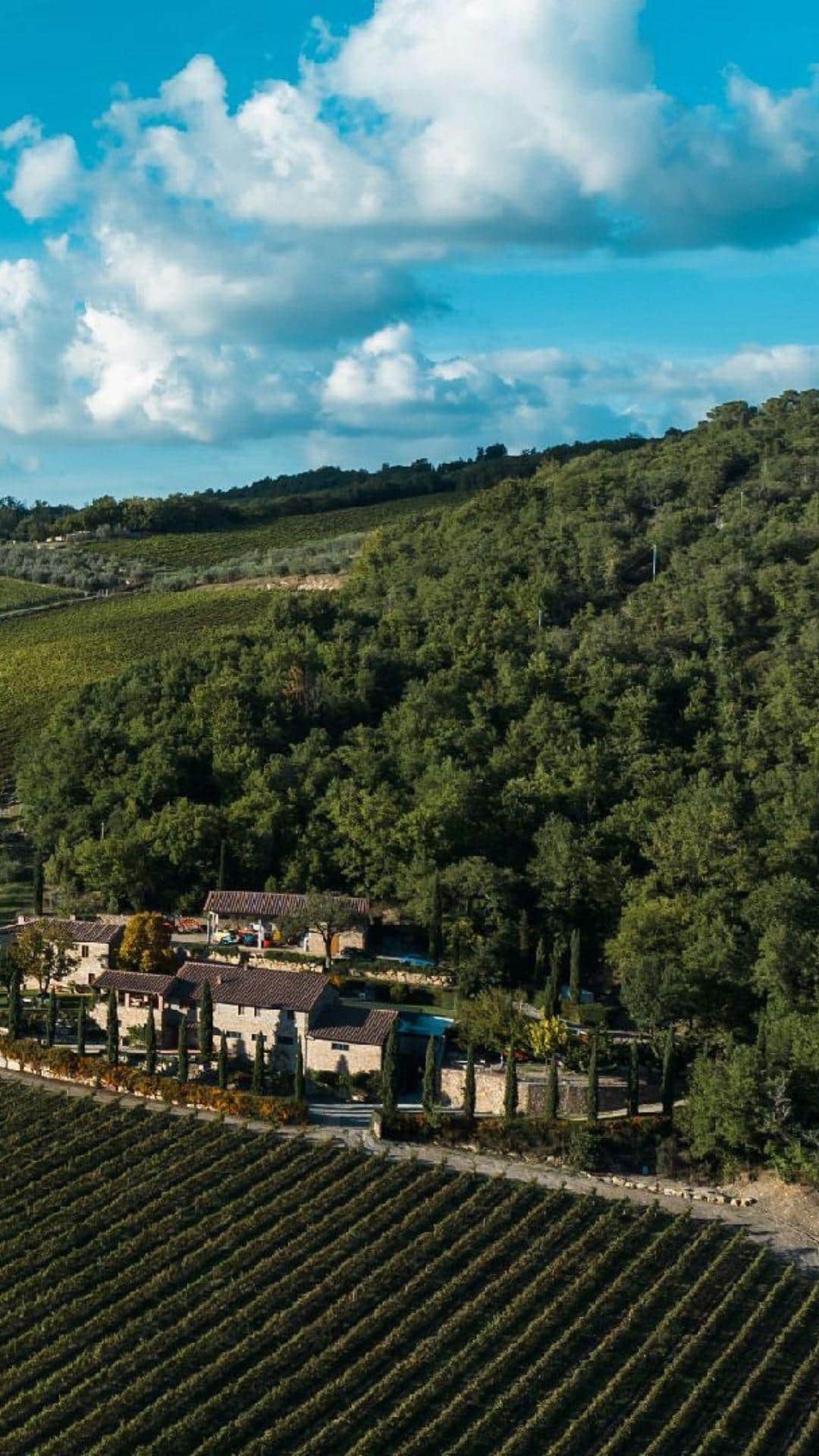
Tenuta di Campomaggio is a winery located in the municipality of Radda in Chianti, in the province of Siena. It is situated on a hill, with the village of Campomaggio at its peak, dominated by an 18th-century manor house.
Historical Overview
The history of the estate begins in Valdera, in the province of Pisa, at Santa Lucia in the municipality of Pontedera. In the early 20th century, Duilio Castellani and his wife Tina founded a winery that managed to survive the hardships of the two World Wars, ready to flourish during the economic boom.
The roots of Tenuta Campomaggio delve into a myth that began to take shape during the Etruscan era, when the inhabitants of the Chianti region shifted from shepherding to agriculture, particularly viticulture. During the Middle Ages, the territory of Radda became the heart of the Chianti League, cementing its reputation as the cradle of wine.
In the early 1700s, the village of Campomaggio was founded on a hill near Radda, centered around a manor house, surrounded by forests and vineyards. In the 20th century, the Sedelmayer family acquired the estate and began producing the first Tenuta Campomaggio labels. In 1990, the property was acquired by Castellani S.p.A.
The Vineyards
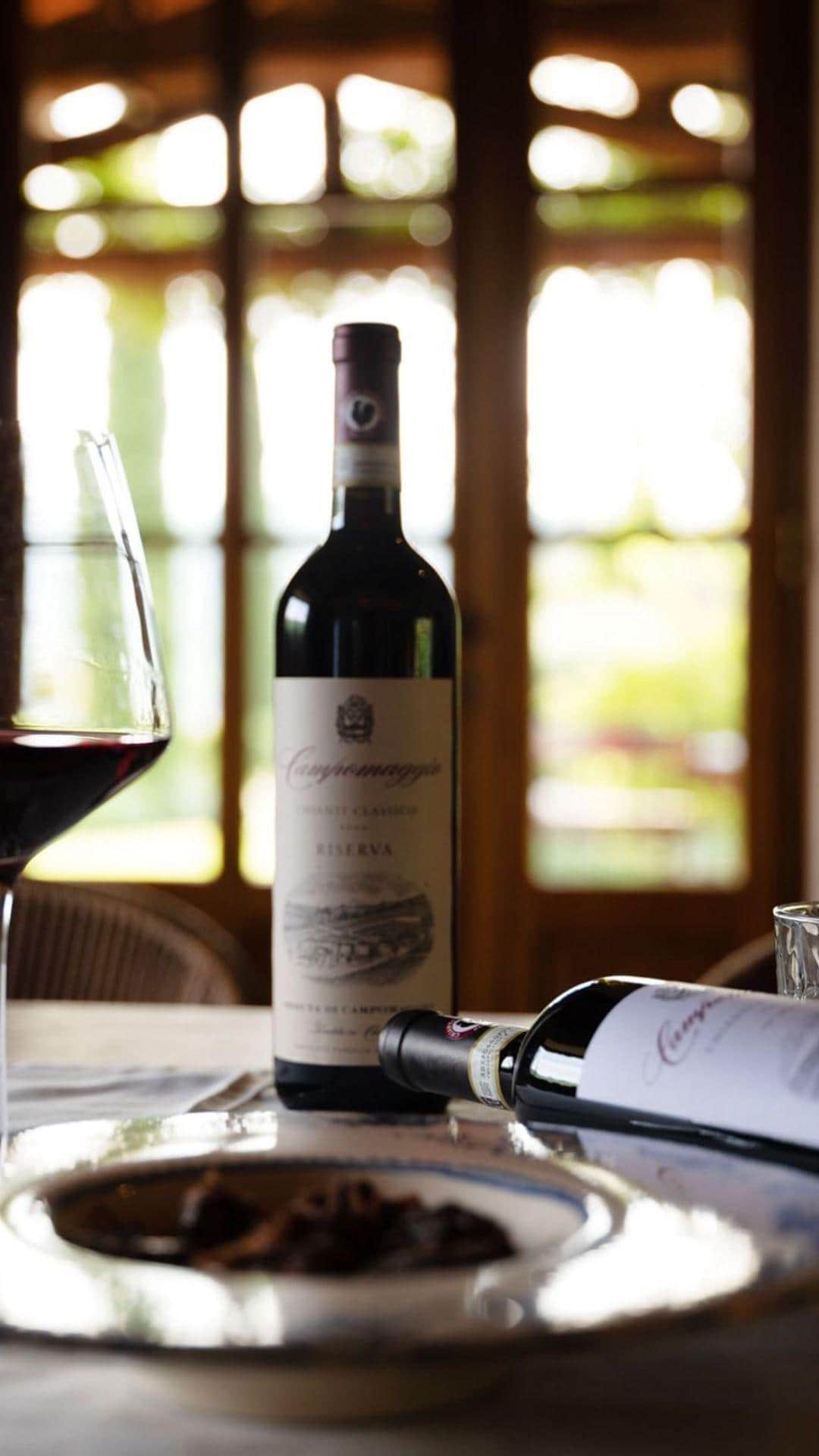
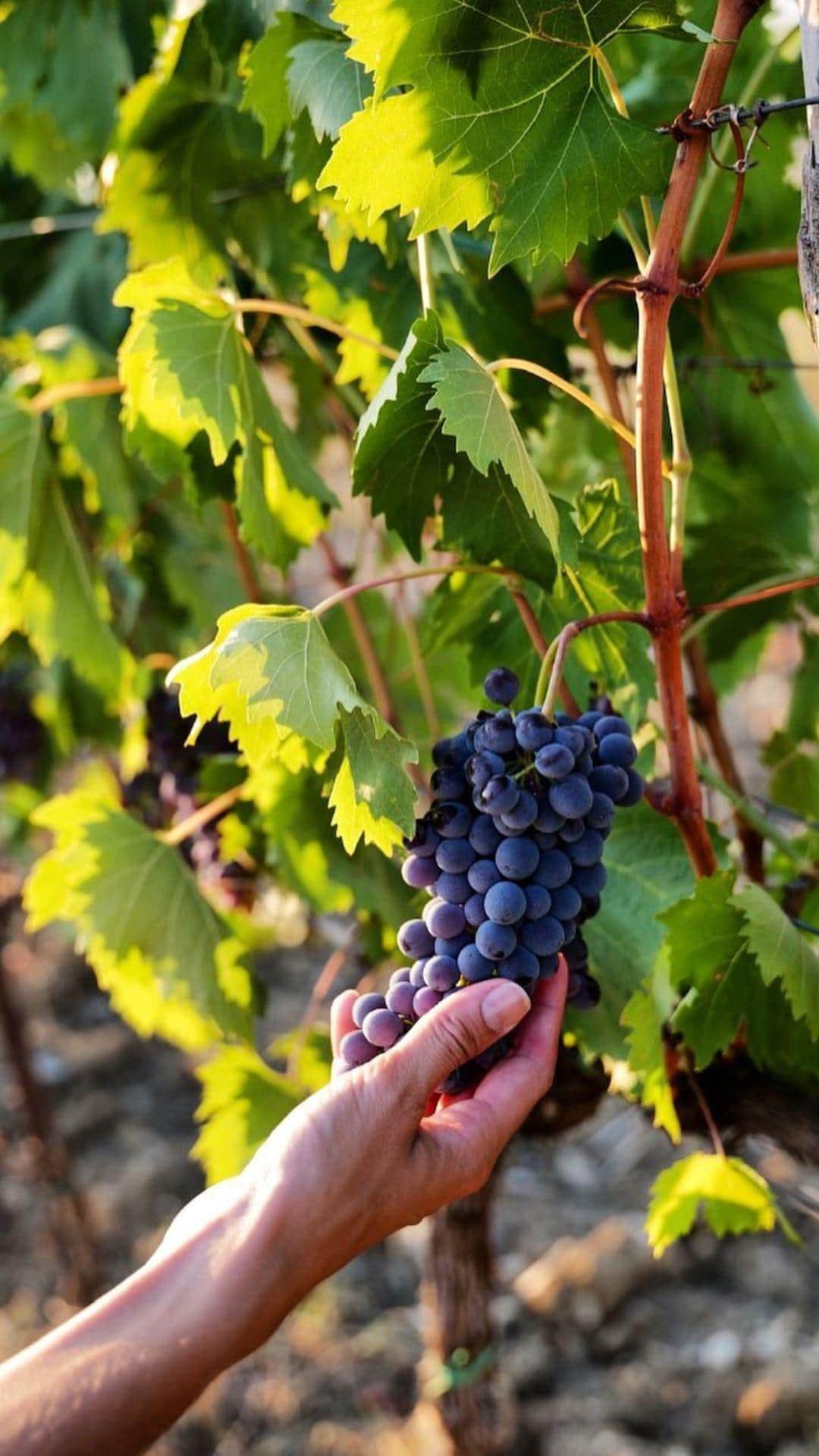
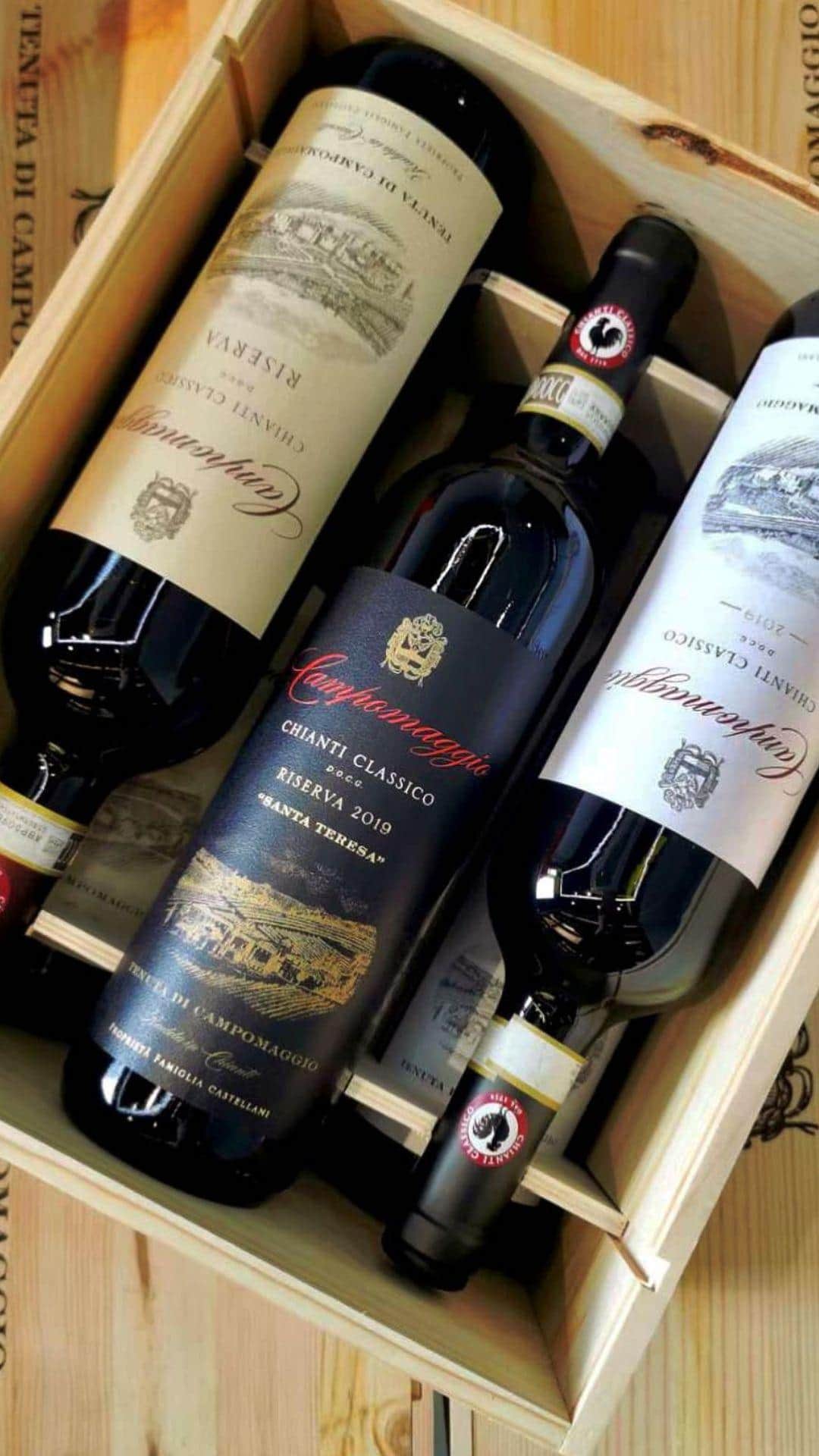
Currently, the estate produces about 40,000 bottles annually, primarily for foreign markets (USA, Asia, Northern Europe) and partly for the domestic market. The historic vineyards, just over 25 hectares, have been progressively replaced since 1990, and the vineyard area has been expanded to 32 hectares. In 2016, a new planting entirely of Sangiovese was initiated and completed in 2021, covering a total area of 3.5 hectares.
The vineyards are located at altitudes between 280 and 480 meters, on clay-limestone soils rich in galestro and alberese. This unique soil composition allows for an optimal balance between drainage and water retention. Lower average temperatures in spring slow down vegetative growth, producing smaller clusters and a slower, non-premature maturation. Summer temperature variations, especially above 300-350 meters, enhance the phenolic components and aromatic characteristics of the grapes.
Sangiovese is the main grape variety cultivated at Tenuta Campomaggio, alongside Canaiolo, Cabernet Sauvignon, and Syrah.
Curiosities
On New Year's Eve in 1982, a fire almost completely destroyed the company's headquarters. It seemed like the end, but shortly thereafter the Castellani brothers acquired Tenuta Campomaggio. With the entry of Piergiorgio, Roberto's son, into the company, the estate gained new momentum, solidifying its presence in the wine industry.