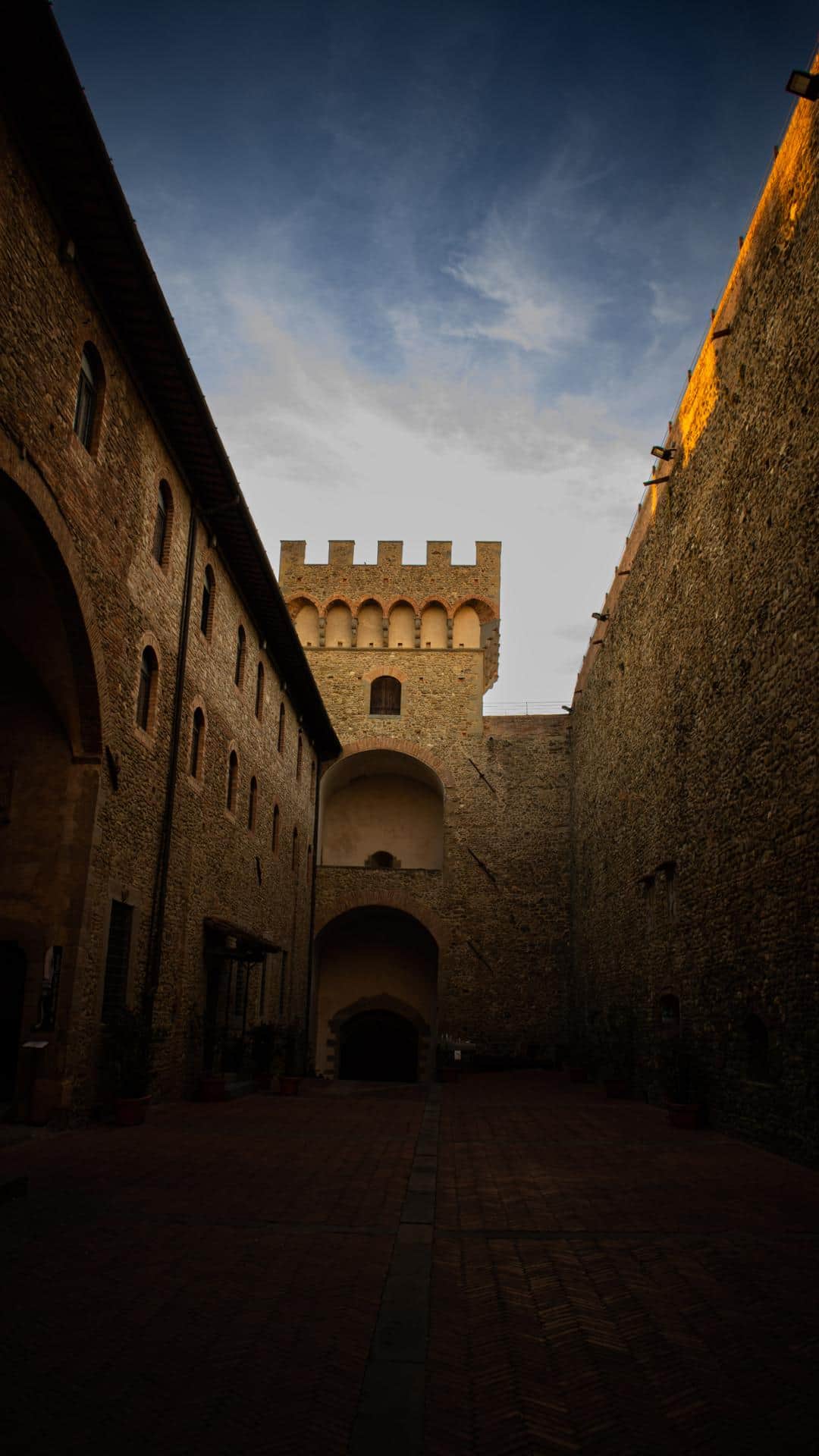
The Palazzo dei Vicari or Castle of Scarperia is an imposing historical structure located in the heart of Scarperia, a town in the Tuscany region, renowned for its architectural beauty and rich cultural heritage. Built in the 14th century, the palace played a significant role in the area's history and continues to be an important landmark.
Structure:
The building was originally conceived as the residence for the vicar, a representative of the political and judicial power of the Florentine government. Its strategic location on Scarperia's main square suggests the importance and authority associated with this role. The architecture of the Palazzo dei Vicari reflects medieval style, with Gothic and Renaissance elements blending into a harmonious composition.
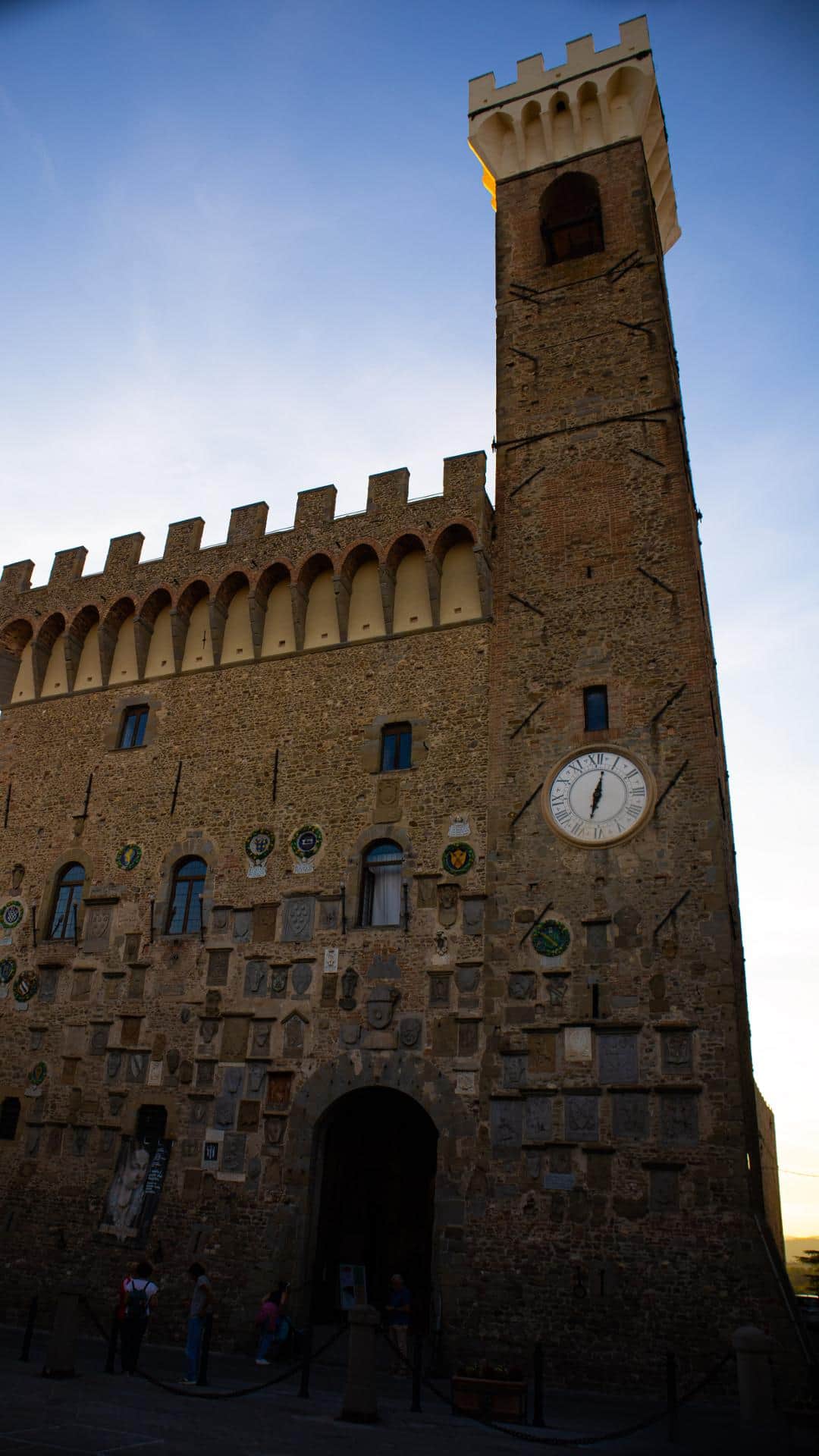
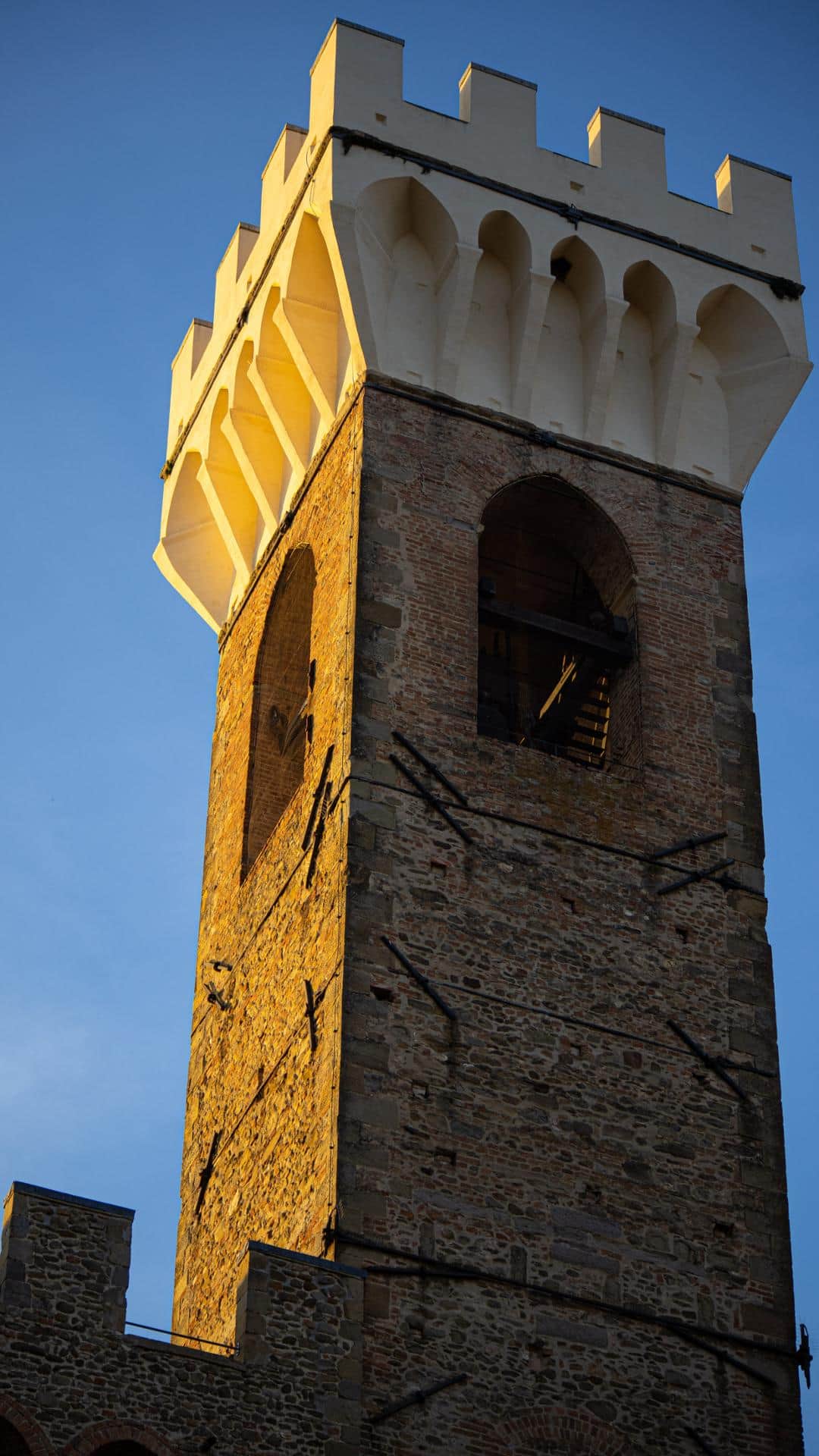
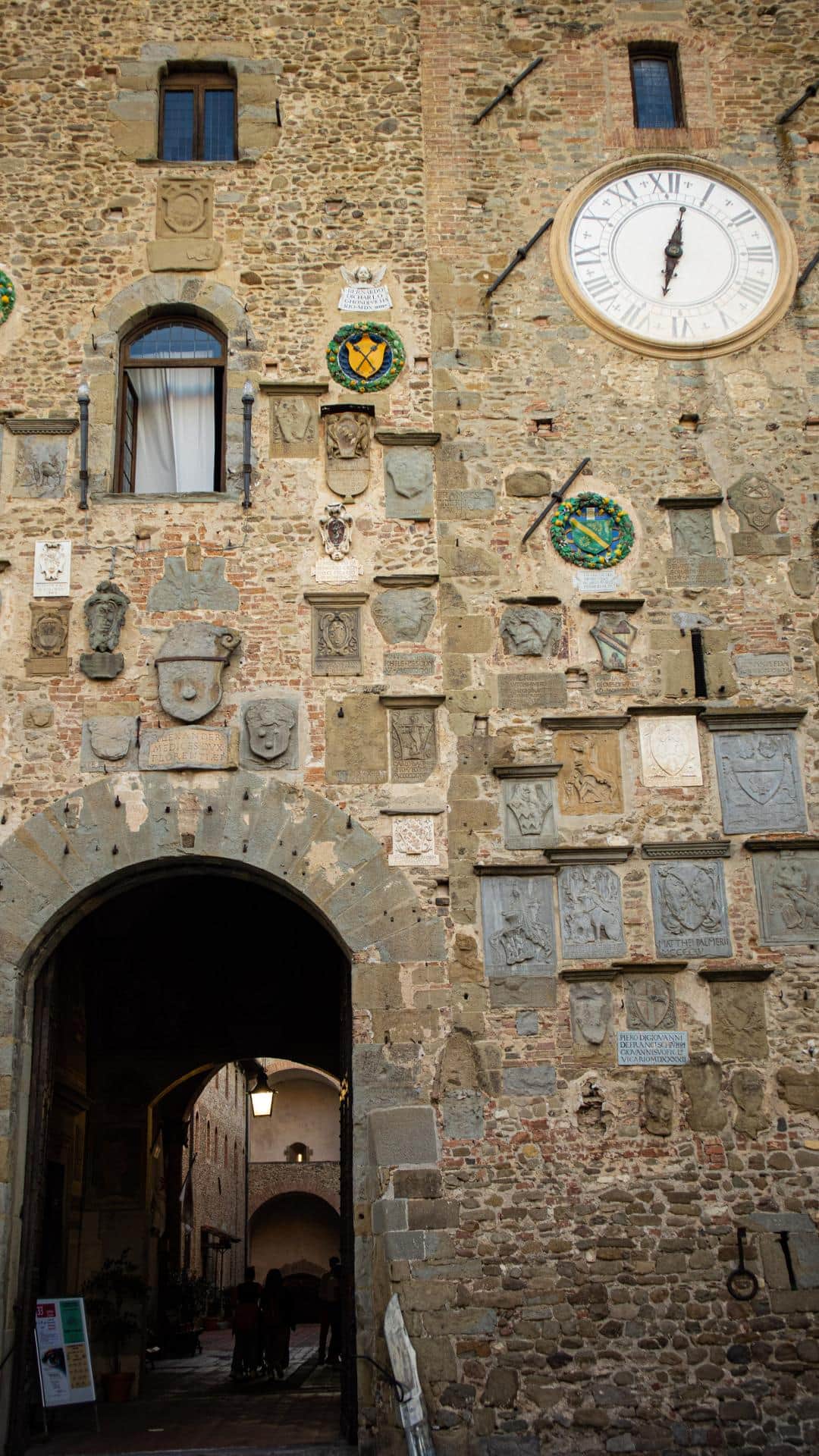
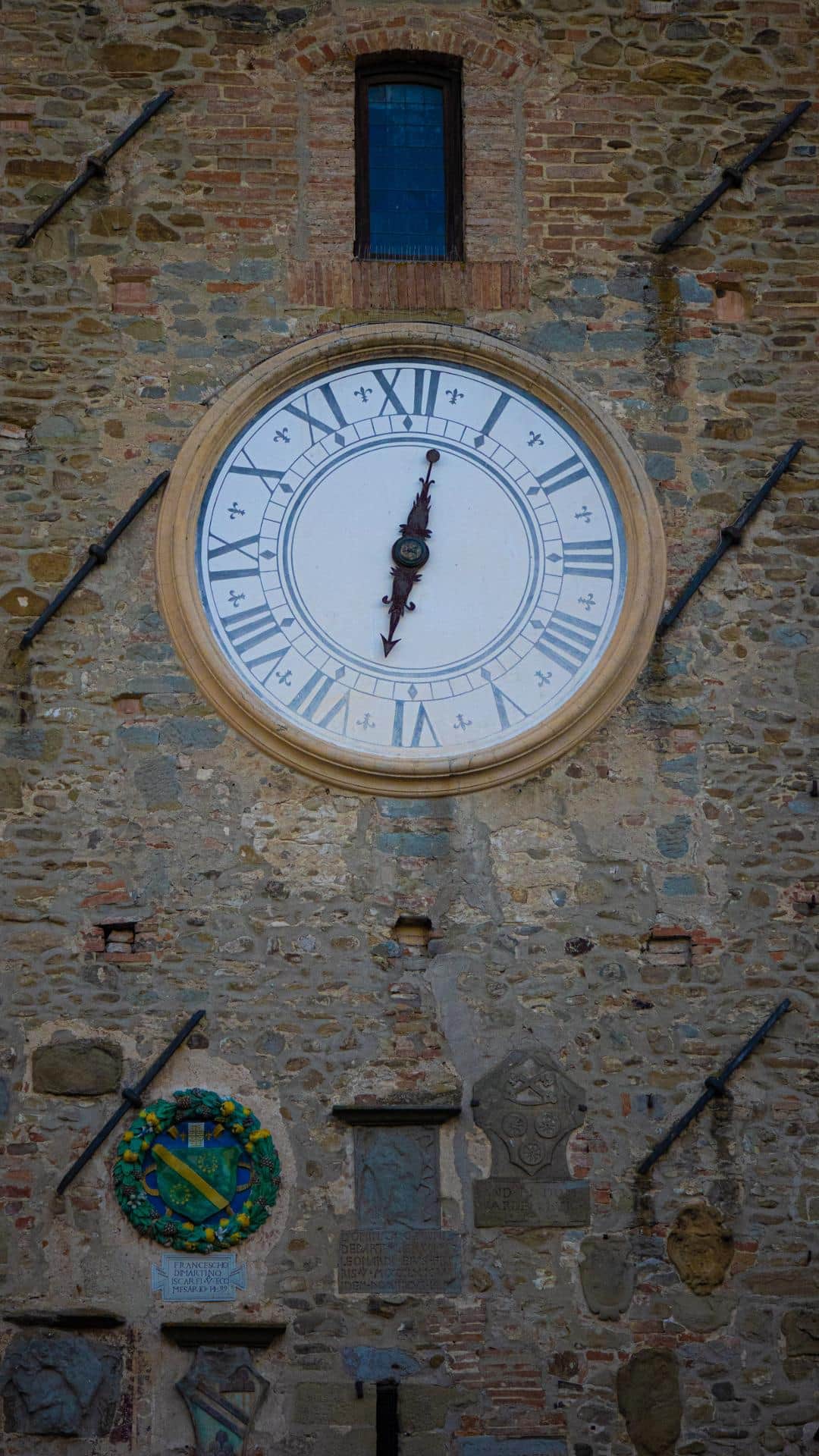
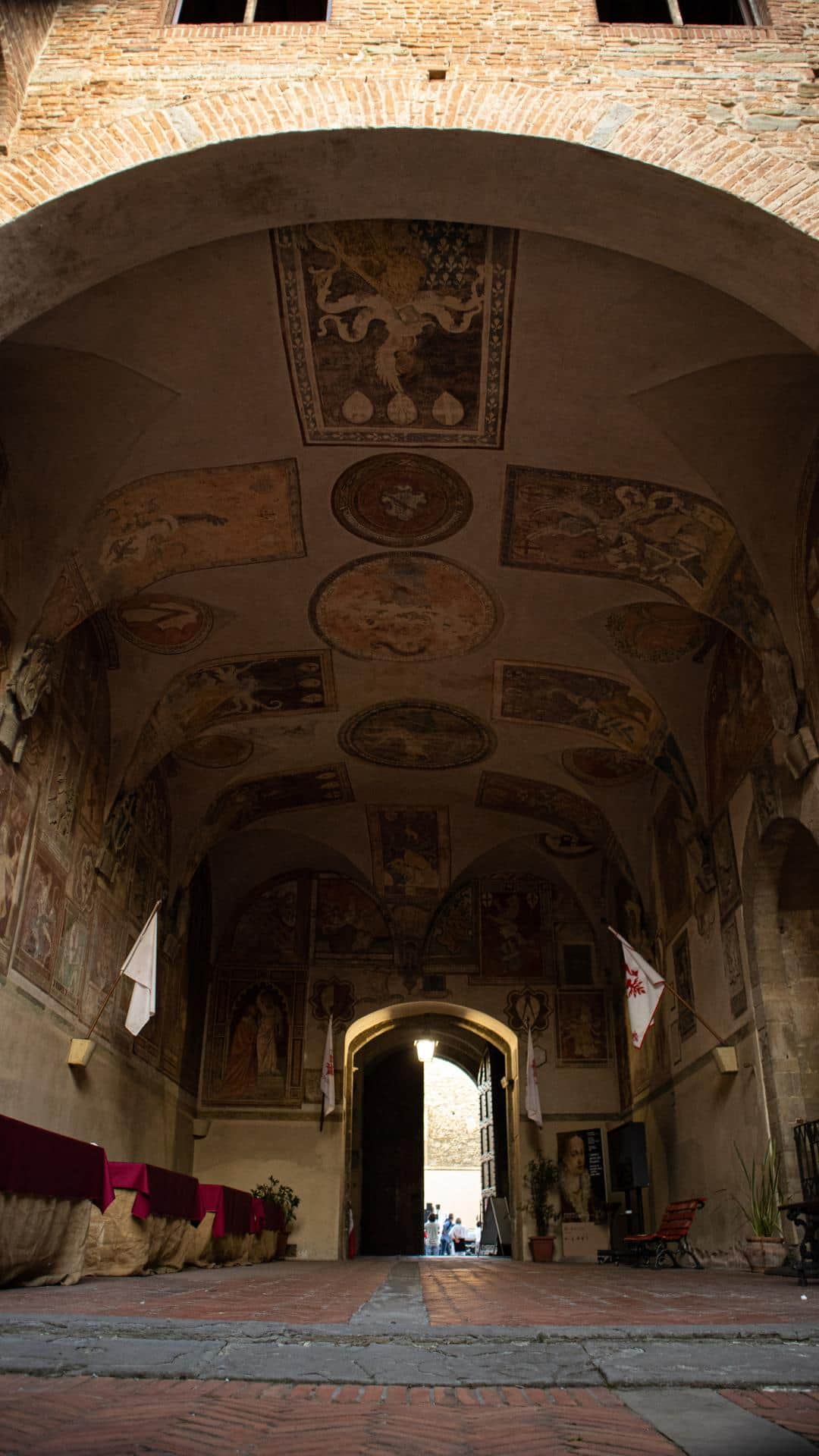
The facade of the palace is characterized by a central tower, crowned with battlements and adorned with pointed arch windows. The main entrance features a pointed arch portico, surmounted by a Florentine coat of arms attesting to the connection with the city of Florence. The interior of the Palazzo dei Vicari preserves many of its original features, including frescoed halls, ornamental fireplaces, and rooms adorned with stucco.
One of the most significant rooms is the Hall of Justice, which houses frescoes dating back to the 15th century depicting scenes of justice and authority. This hall served as a place where crucial decisions for the community were made, reflecting the central role of the palace in the political and social life of the time.
In addition to its historical significance, the Palazzo dei Vicari also hosts the Cutlery Museum, dedicated to the tradition of metalworking and knife production, activities that have made Scarperia famous over the centuries. The museum provides valuable insights into local craftsmanship and the history of the cutlery art.
In summary, the Palazzo dei Vicari is a symbol of power and authority in Scarperia's historical context, testifying to Florence's influence in the region and preserving within its walls a rich artistic and cultural heritage.