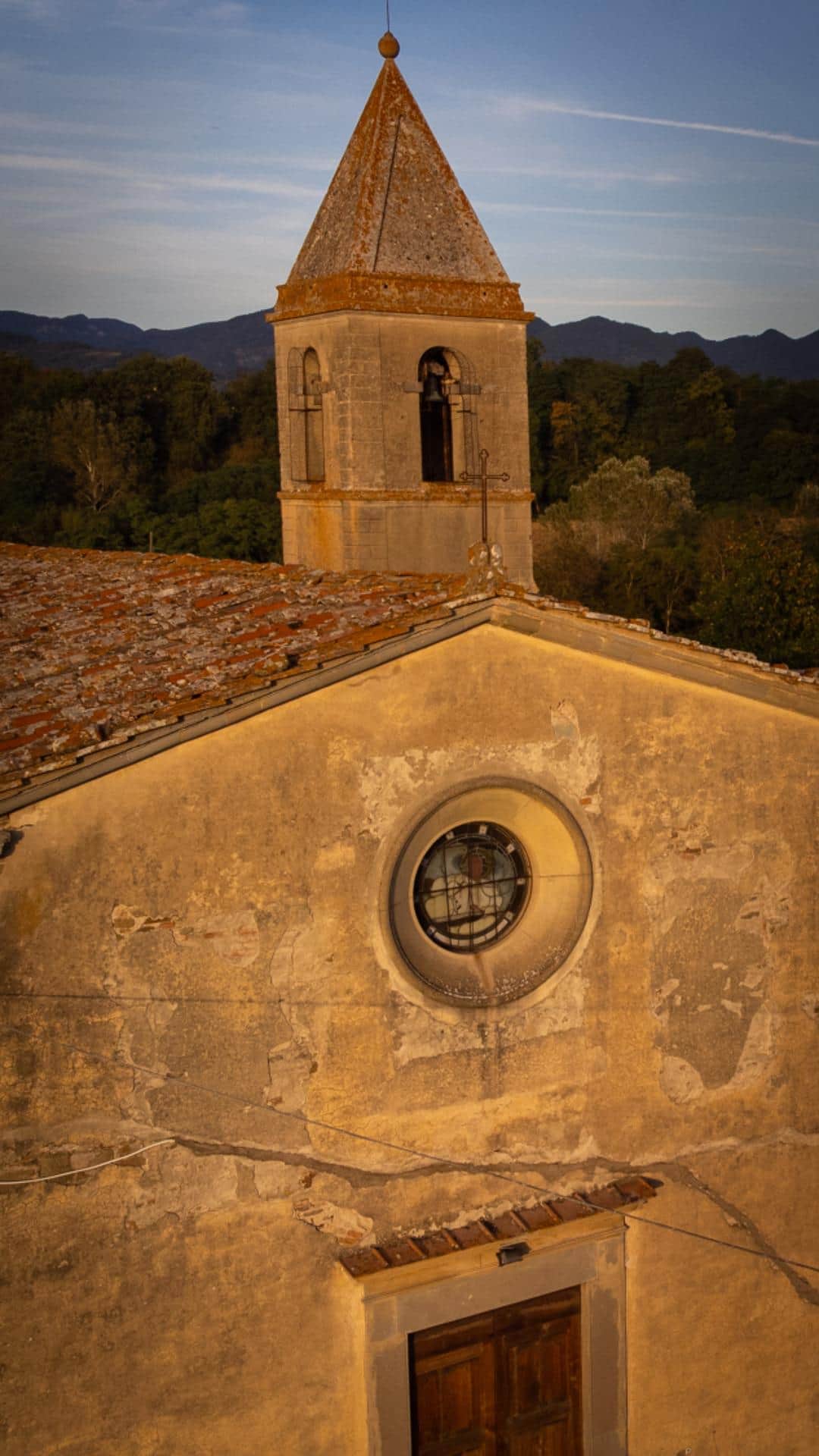
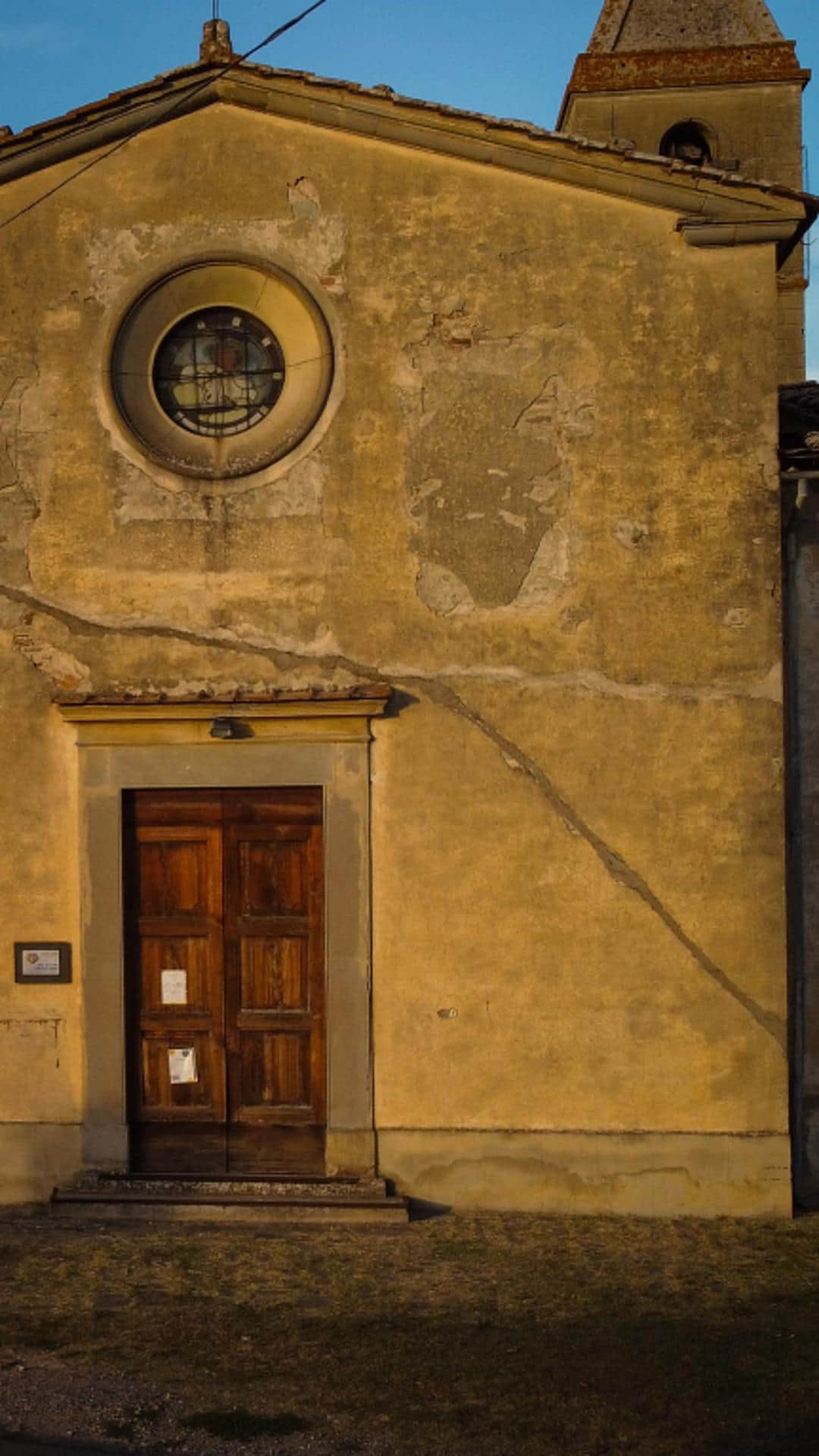
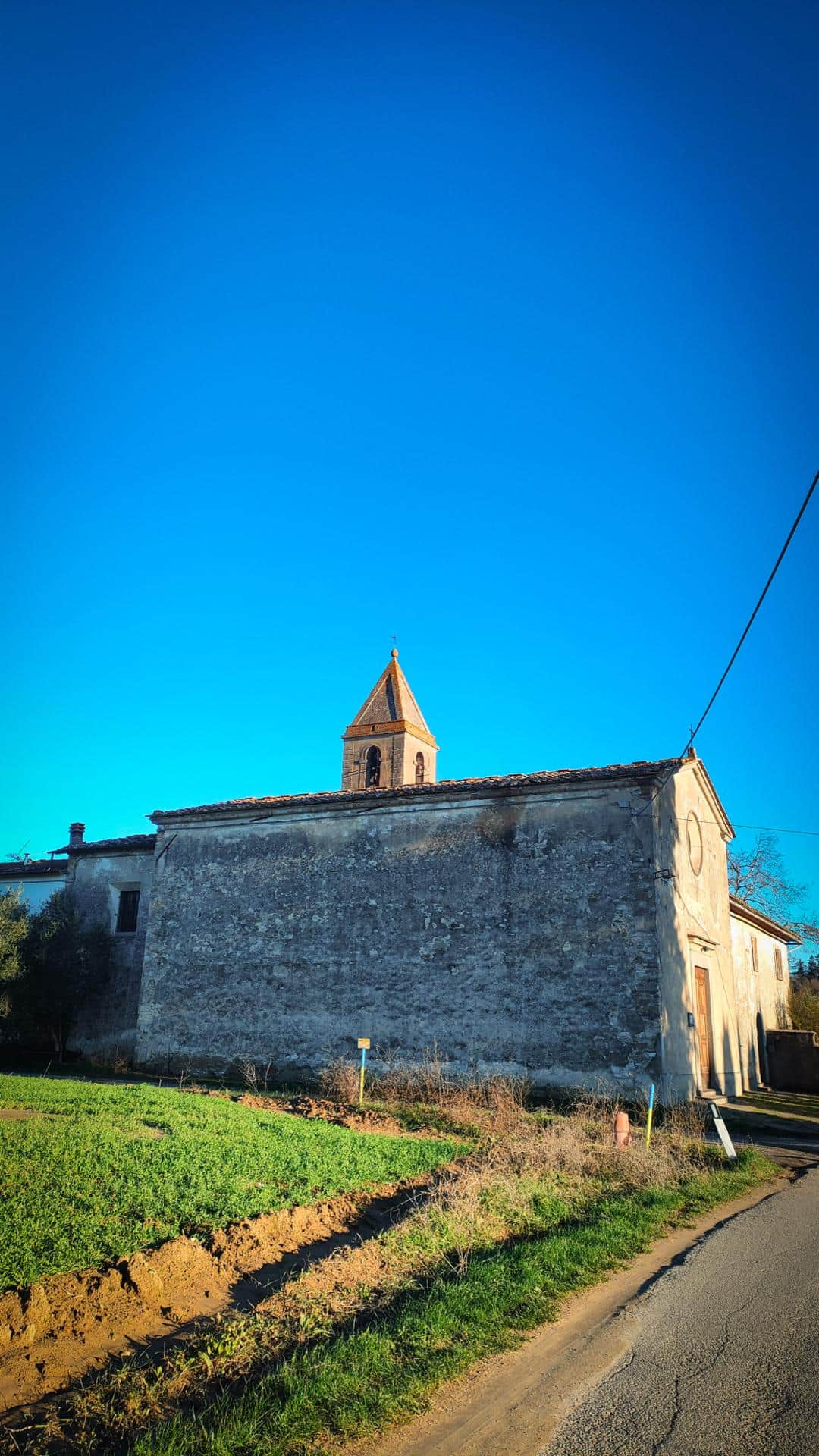
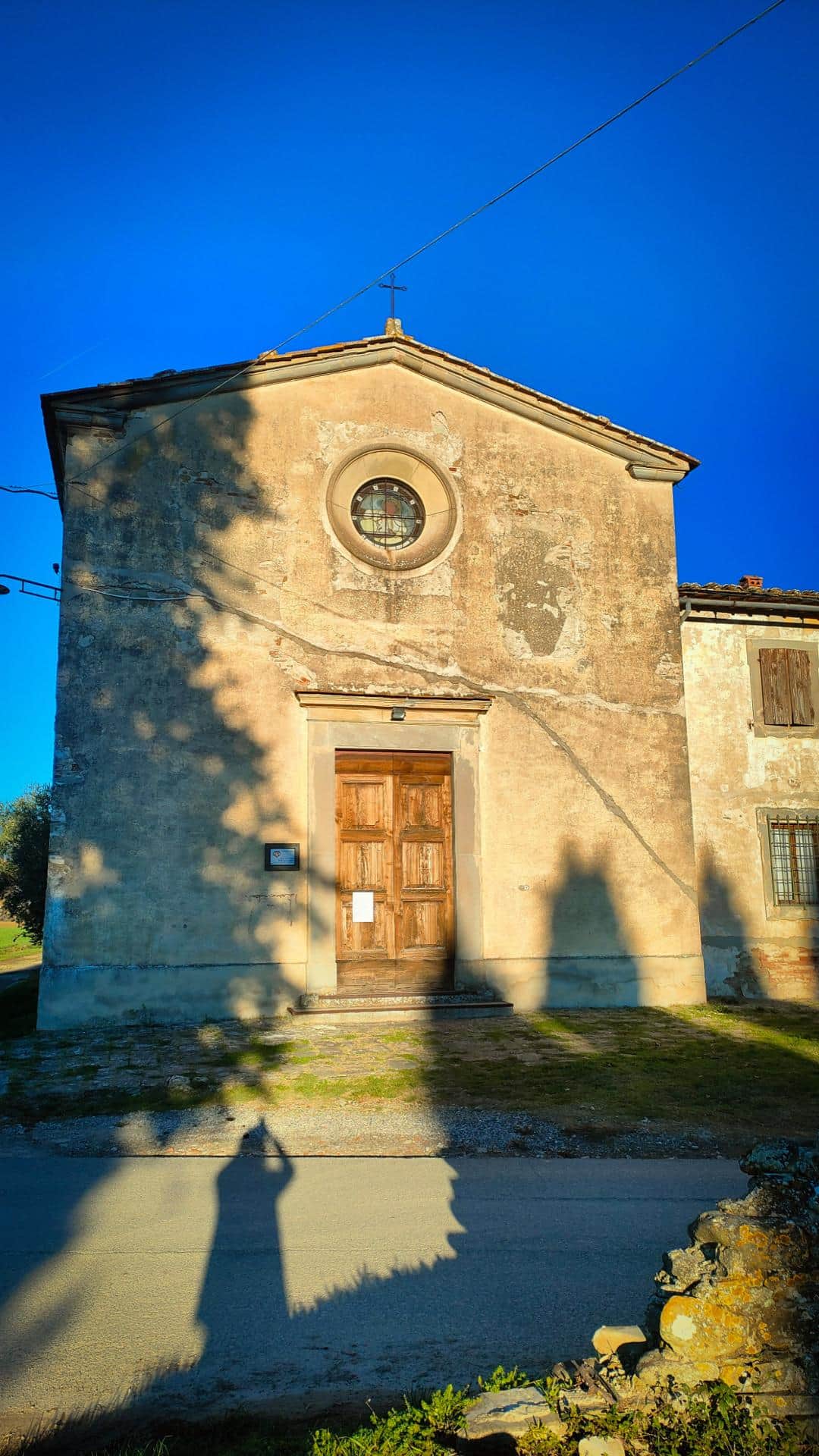
The Church of San Michele a Figliano, located in the municipality of Borgo San Lorenzo near Luco di Mugello, boasts a rich history that testifies to the religious and artistic heritage of the area.
Historical Notes:
The origins of the church date back to the 18th century, representing a reconstruction of an ancient structure that stood near the Camposanto. The original church, also called San Michele in Figliano, had significant affiliations throughout history. In 1339, it was associated with the Church of San Giovanni Evangelista. In 1308, it was annexed to the Church of San Bartolomeo in Mirabello, and in 1419, to the Church of San Martino in Figliano.
Between 1865 and 1870, Pietro Alessio Chini decorated the church with an imposing fresco depicting San Michele and the four evangelists. Although these paintings are no longer present, other works by the Chini family, created two generations later, adorn the interior.
Near the Church of San Michele in Figliano is a Madonna with Child, attributed to both the Giottesque School and Perugino, placed inside a tabernacle.
Structure:
Inside the church, there is a baptismal font in ceramic with metallic luster and relief decorations. This font appears to come from the production of Fornaci San Lorenzo for the Terme Berzieri in Salsomaggiore (1920 - 1923), where it originally served as a flowerpot. The furnishings for that complex were designed by architect Ugo Giusti, in close collaboration with Galileo Chini, the artistic director of the manufacture until 1925. It is possible that the font was placed in the church in the 1920s, following the practice of the manufacture to continue reproducing models many years after their conception, to adapt them to new contexts.
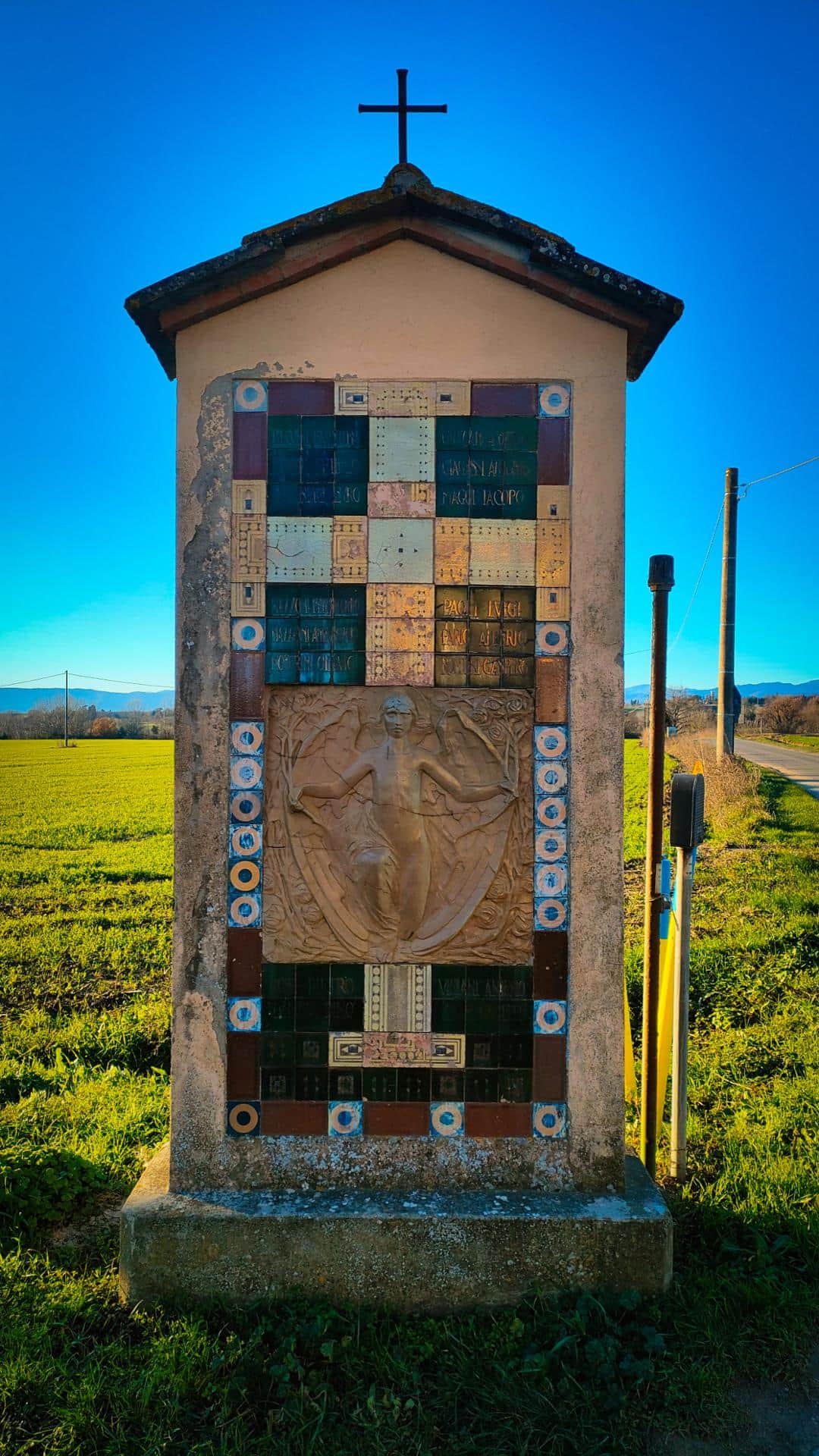
Confirmation of this practice is found in the presence of a similar baptismal font, in a different color and slightly smaller in size, in the church of San Bartolomeo in Molezzano, near Vicchio. In the same church, on the right side altar, an image of the Madonna in plaster is preserved under glass and framed by a panel of polychrome ceramic tiles with geometric patterns, also produced by the Fornaci. Outside, a commemorative stele of parishioners fallen in the First World War is adorned with a relief in modeled sandstone by sculptor Petroni and numerous tiles with the names of the fighters and decorative geometric motifs from the manufacture's repertoire. The monument, inaugurated in 1923, uses materials from the Fornaci, following a project probably attributable to Chino Chini, who also dealt with other war memorials in the area (for example: Luco di Mugello, Cavallina, San Cresci in Valcava, Sant’Ansano a Monte Aceraia), most of which have been destroyed.