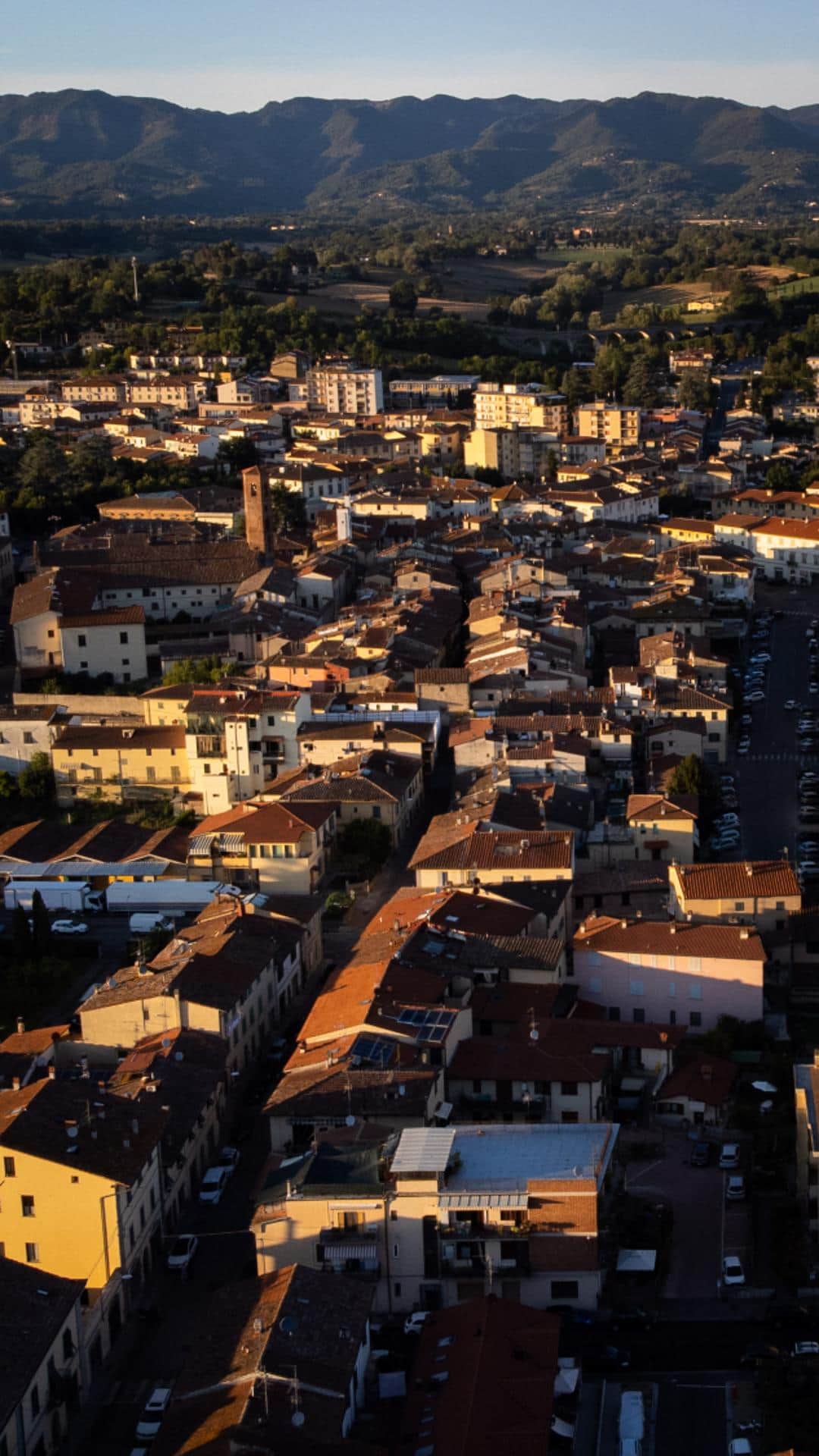
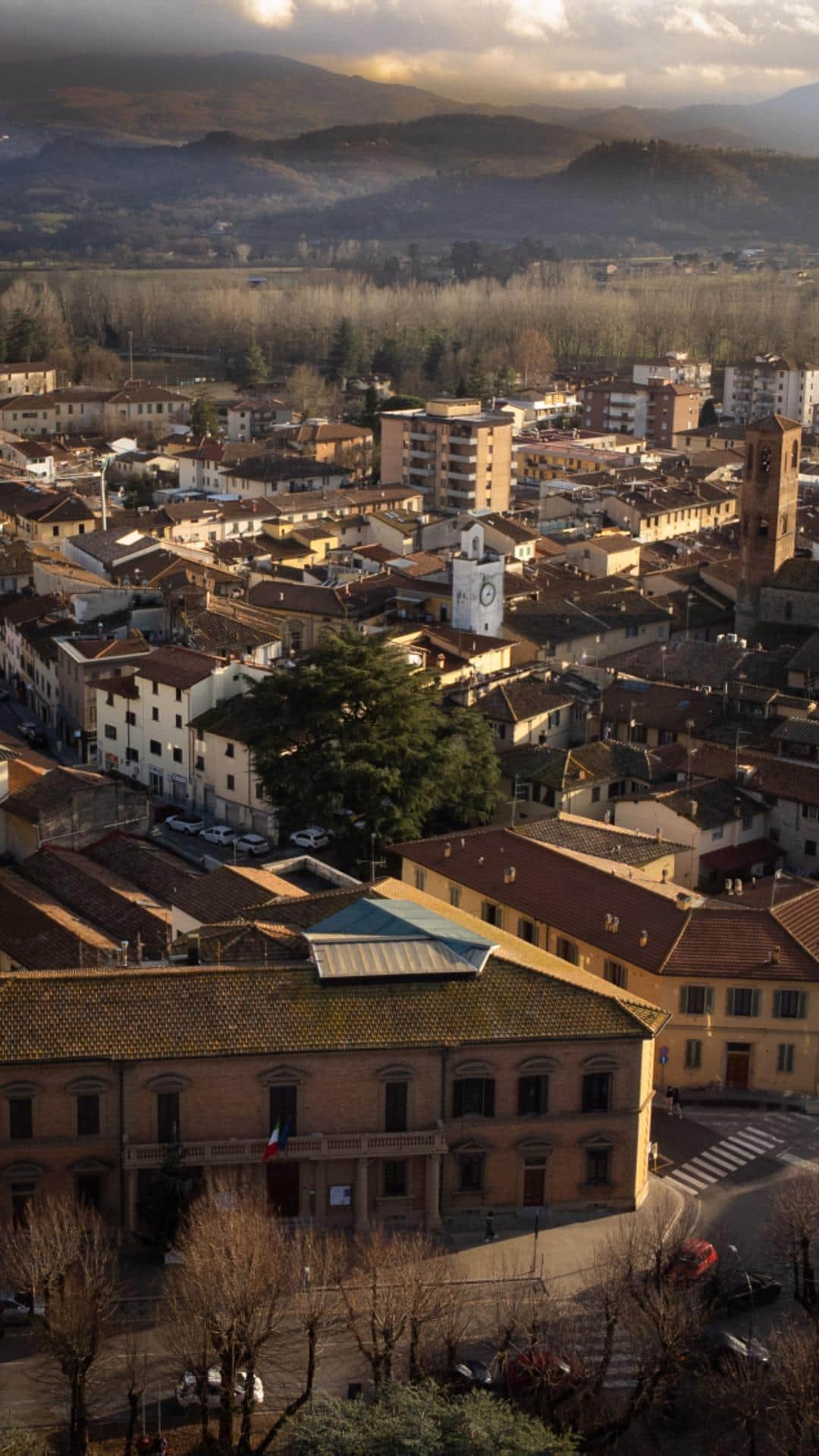
Borgo San Lorenzo, situated in the heart of the picturesque Mugello region, is a charming village that encapsulates centuries of history and tradition. Its name is tied to its patron saint, San Lorenzo.
Description:
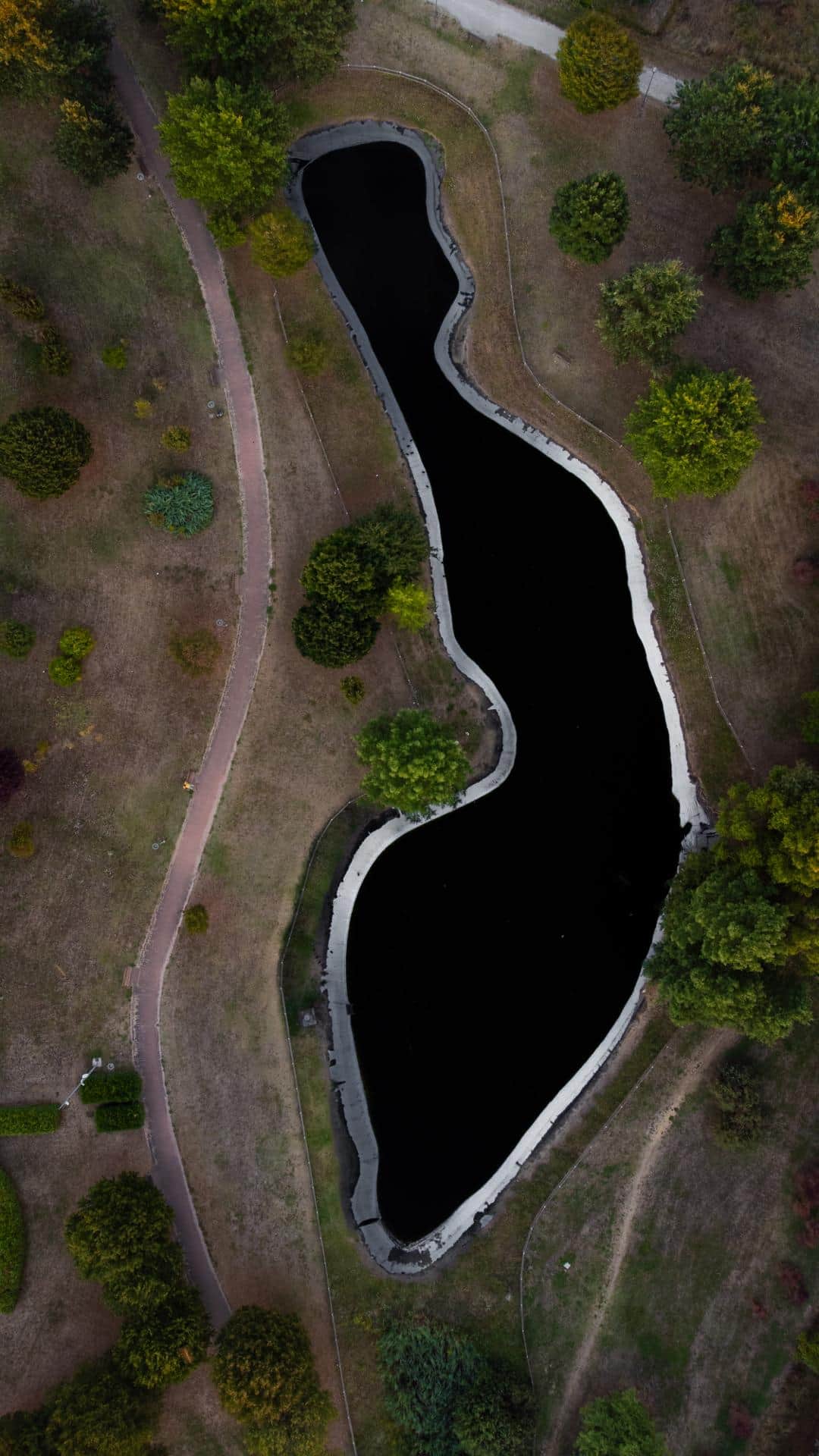
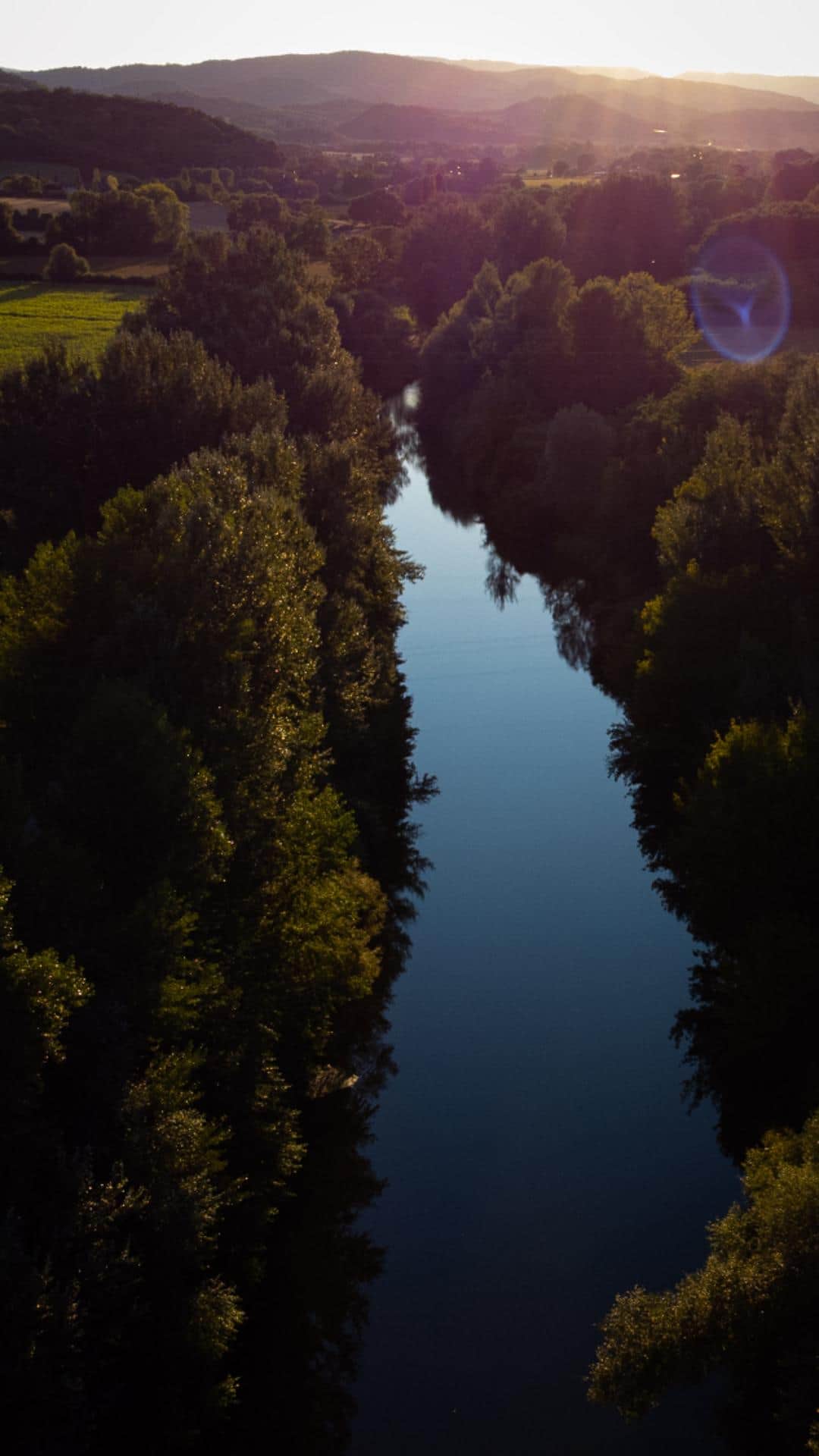
The urban structure of Borgo San Lorenzo reflects typical Tuscan architecture. The village is surrounded by lush greenery and rolling hills, offering breathtaking views of the surrounding countryside. The surroundings of Borgo San Lorenzo are dotted with farms, vineyards, and olive groves, reflecting the richness of the area's agricultural production.
Culture and Traditions:
The vibrant cultural life and traditions rooted in the territory manifest through annual events, gastronomic festivals, and folklore celebrations. Borgo San Lorenzo is a place where ancient customs harmoniously blend with modernity, creating a unique and welcoming atmosphere. The typical dish is potato tortelli with wild boar ragù.
Nature and Recreational Activities:
For those who love nature, the area offers opportunities for panoramic hikes, horseback riding, and cycling along paths immersed in the Tuscan landscape. The nearby Bilancino Lake is ideal for water activities and moments of relaxation.
In summary, Borgo San Lorenzo enchants its visitors with its unique blend of history, culture, and natural beauty, offering an authentic experience in the heart of Tuscany.
History:
Settlements in the central Mugello area, later known as Borgo San Lorenzo, are ancient, dating back even before the Etruscans, as evidenced by remains found near Ronta. In the 2nd century BCE, the Romans settled in the area, creating the hamlet of Anneianum along the road from Florence to Faenza.
During the Middle Ages, the locality belonged to the Ubaldini until the 10th century, and then came under the civil control of the Florentine Bishop. Borgo San Lorenzo's strategic position as a road junction granted it importance, becoming a significant market town.
The control of the Florentine Bishop, exercised through the episcopal Vicar with the title of Podestà, gradually weakened, especially with Borgo's economic growth in the 13th century. In 1222, the Bishop of Florence had to relinquish total control over the appointment of the judge, leaving the choice to the people for three out of every four years. Attempts at revolt against episcopal authority forced the then Podestà, Ubaldino della Pila, to issue an ordinance in 1239 prohibiting the construction of houses and towers exceeding 15 braccia in height.
In 1251, Guelf nobles faced an assault by Ghibellines exiled from Florence. In 1290, Florence intervened by paying 3000 florins to acquire all rights over the Mugello. Subsequently, Borgo San Lorenzo had to defend itself against attacks, culminating in the siege of 1440 by Niccolò Piccinino, an ally of the Albizi against the Medici.
In 1351, Florence surrounded Borgo San Lorenzo with defensive walls and created the new lands of Scarperia and Firenzuola to defend against the Visconti of Milan. The town developed with a rectangular wall structure, four gates with towers, and a main road cutting through the settlement.
The town was the center of a league gathering the inhabitants of the area, with a Podestà sent every six months from Florence. In 1440, the siege of Niccolò Piccinino was repelled. With the fall of the Republic in Florence, Borgo San Lorenzo became part of the Medici principality.
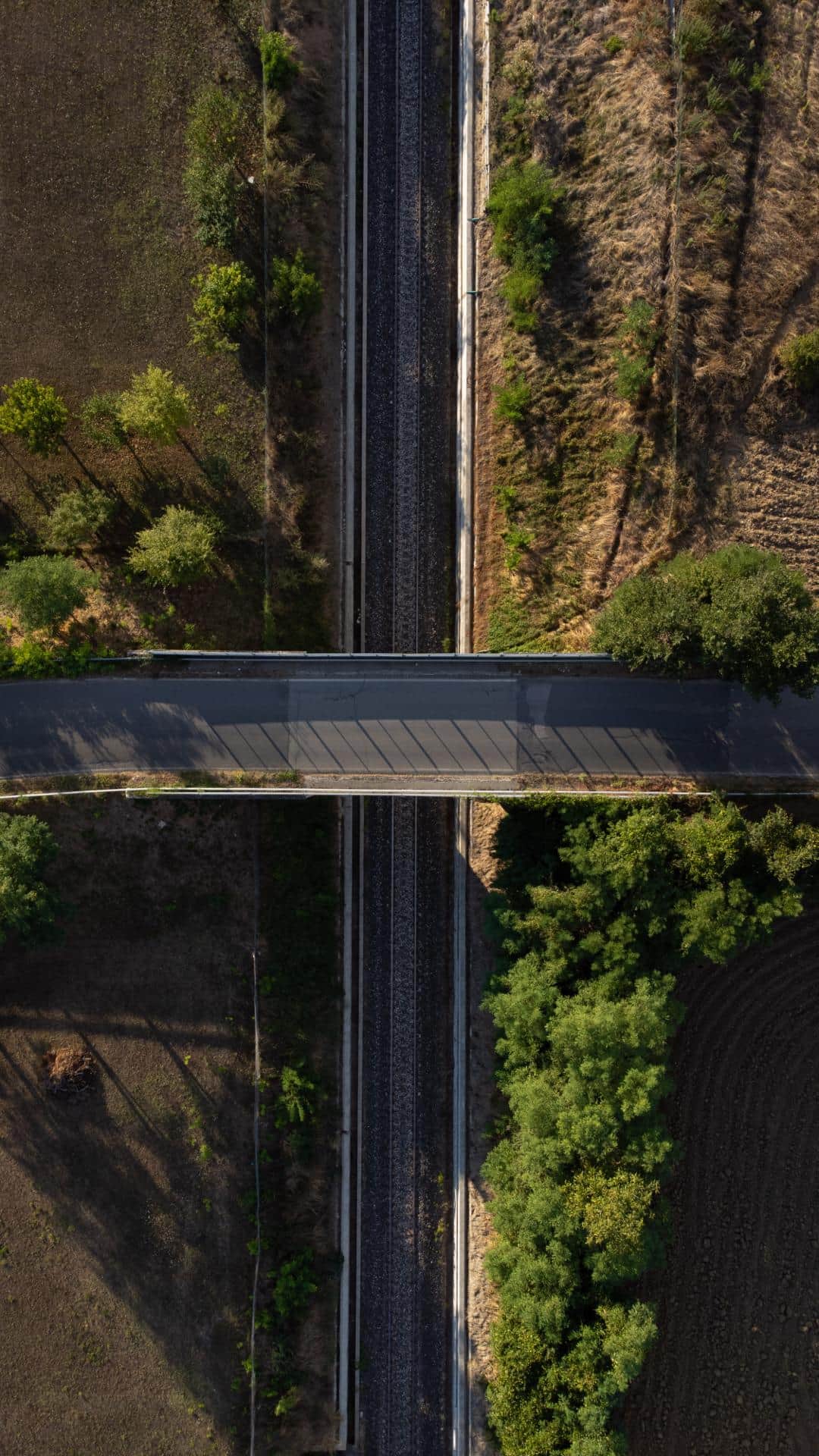
Under the Habsburg-Lorraine rule in Tuscany, Borgo San Lorenzo became the main center of the Mugello. In the 19th century, with the establishment of an industrial organization and the creation of a railway network, the town confirmed its role. In 1861, it was annexed to the Kingdom of Italy by King Vittorio Emanuele II of Savoy.
Traces of Borgo San Lorenzo's history can be discovered by strolling through the streets of the historic center, admiring historical palaces, and visiting the Museum of the Chini Family inside Villa Pecori Giraldi, which houses a collection of works by the famous local artist family.