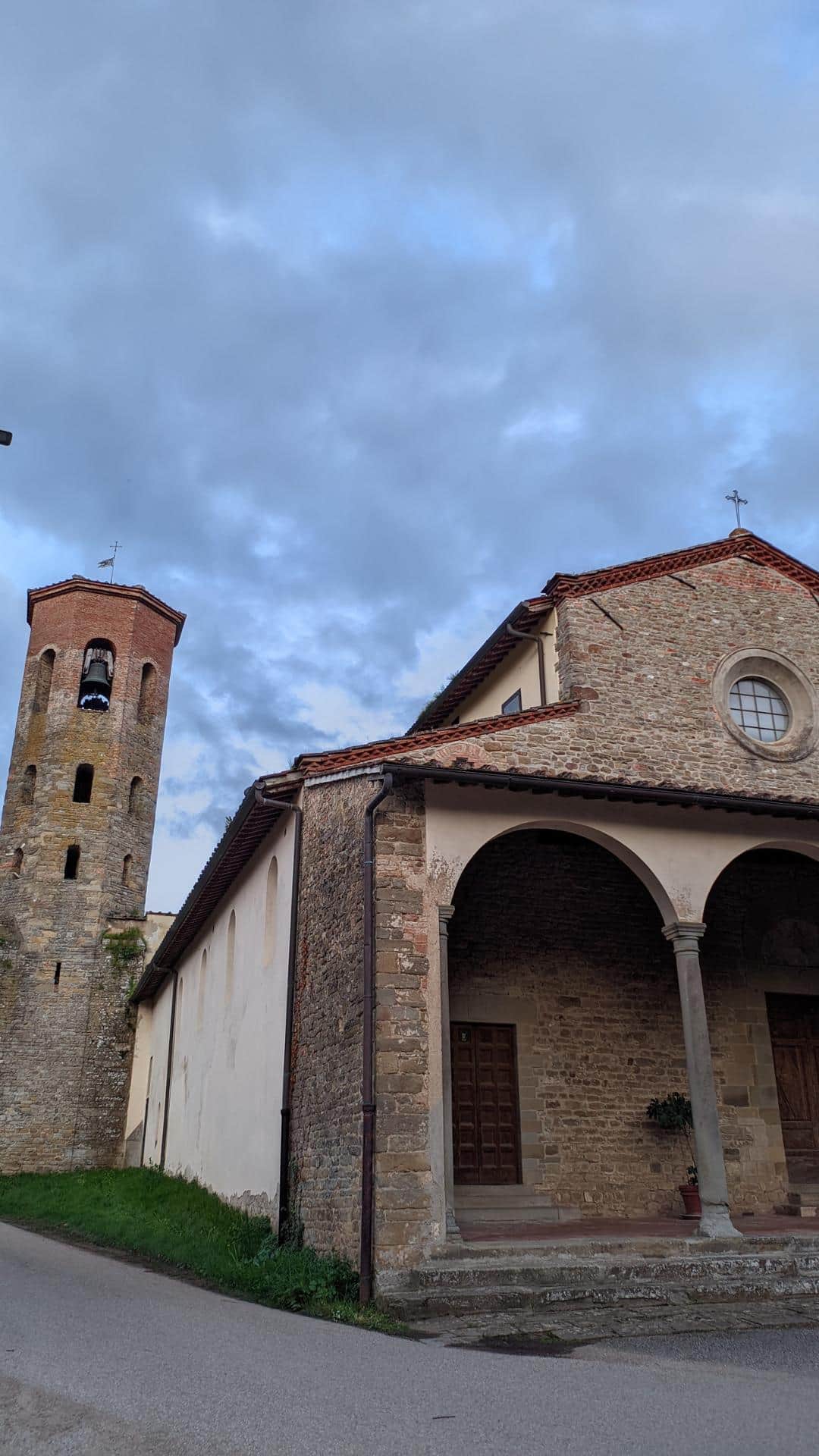
Pieve di San Giovanni Maggiore
Borgo San Lorenzo · Borgo San Lorenzo · Firenze
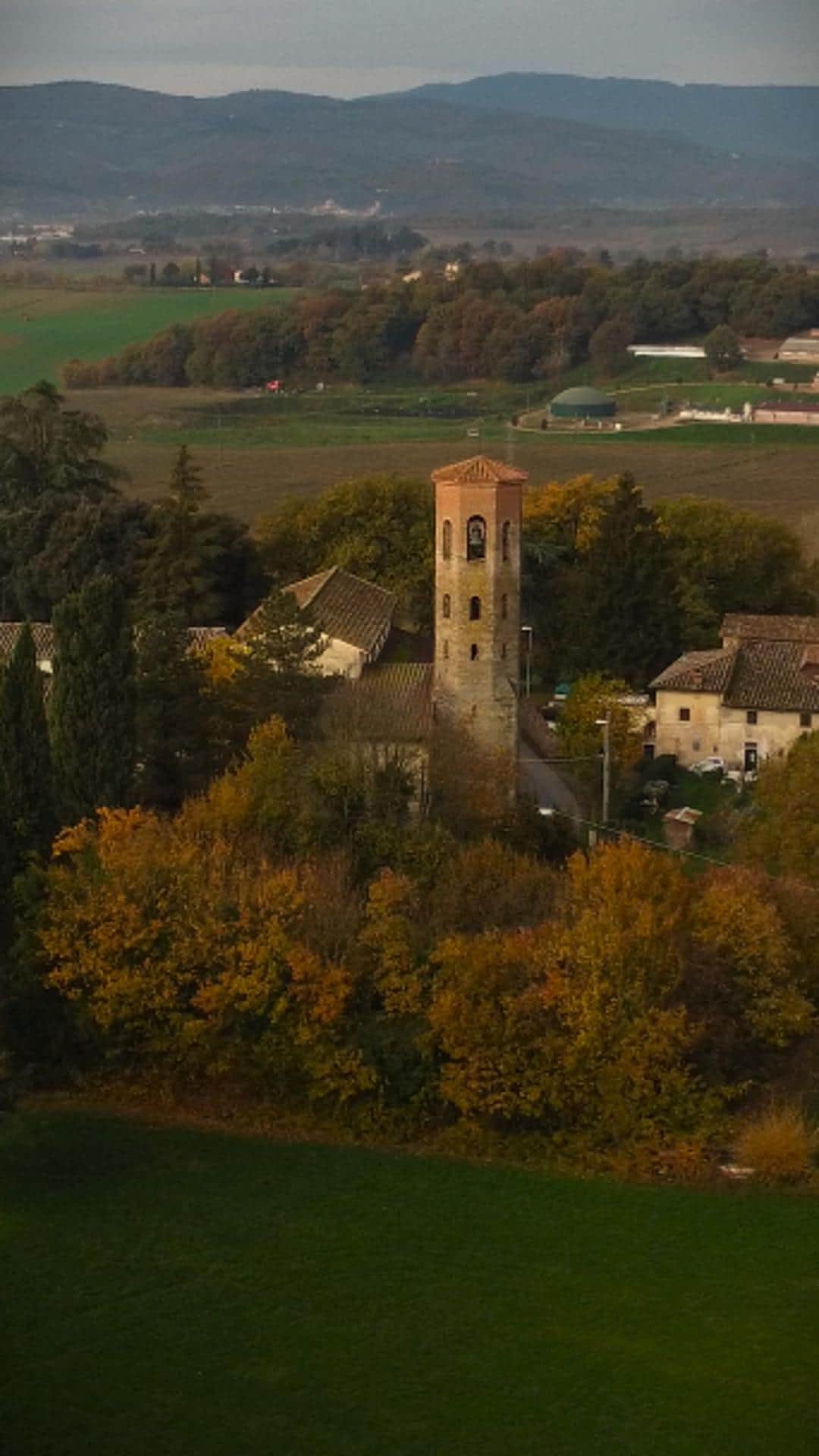
🏰The Pieve of San Giovanni Maggiore stands imposingly along the route of the via Faentina, approximately three kilometers north of Borgo San Lorenzo. This ancient sacred building enchants visitors with its solemn presence and millennia-old history.
🏛️The Structure:
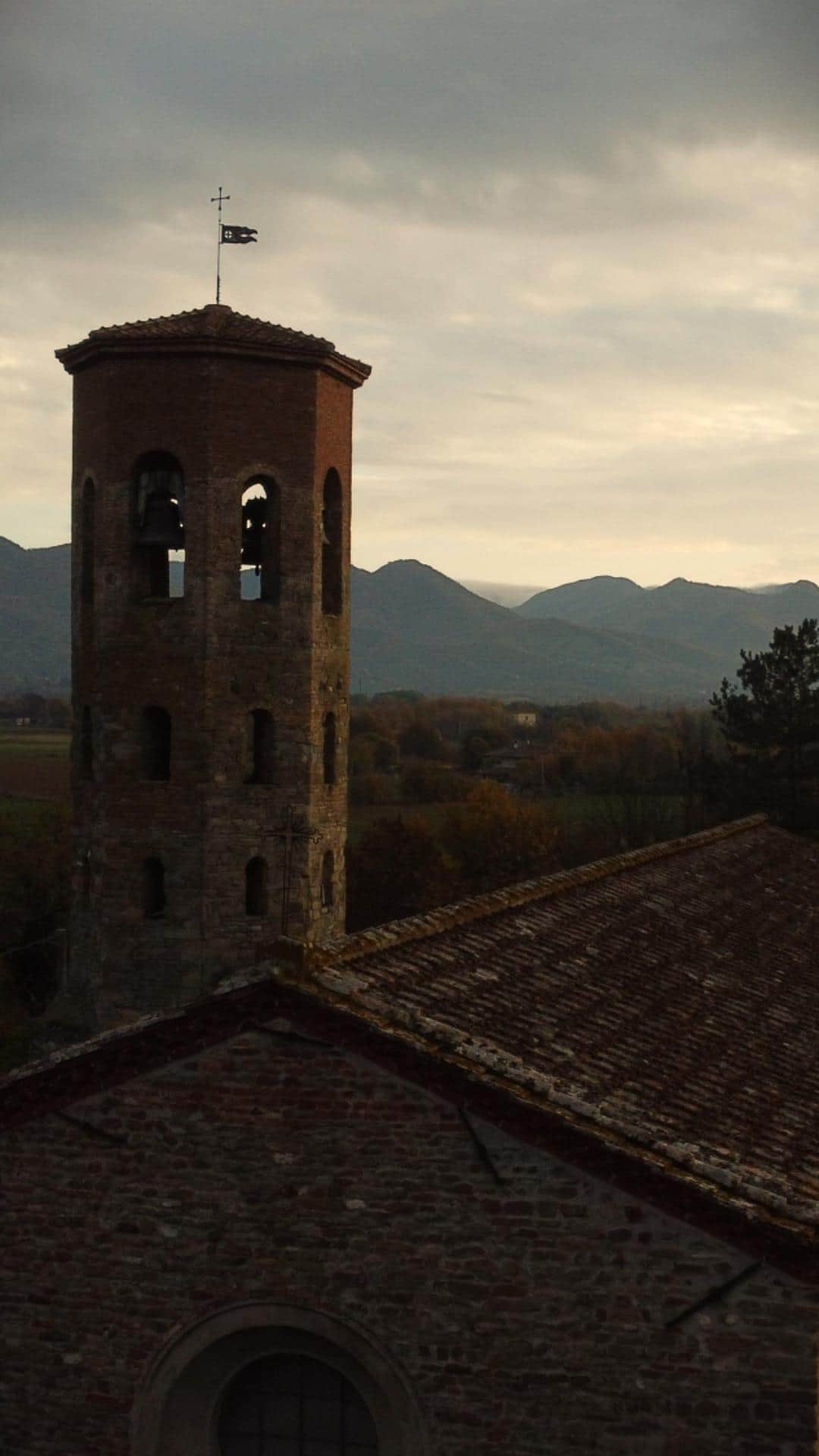
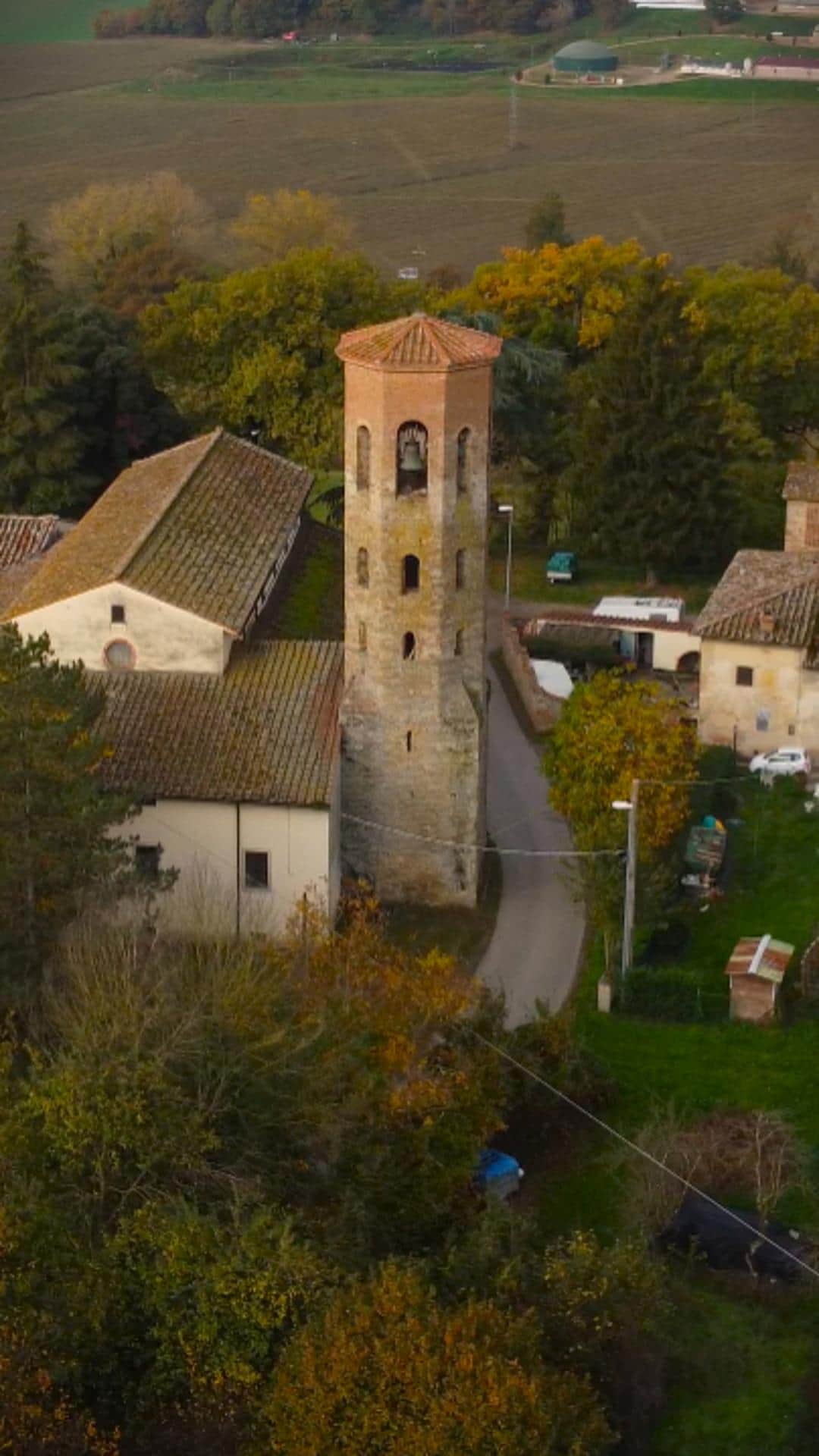
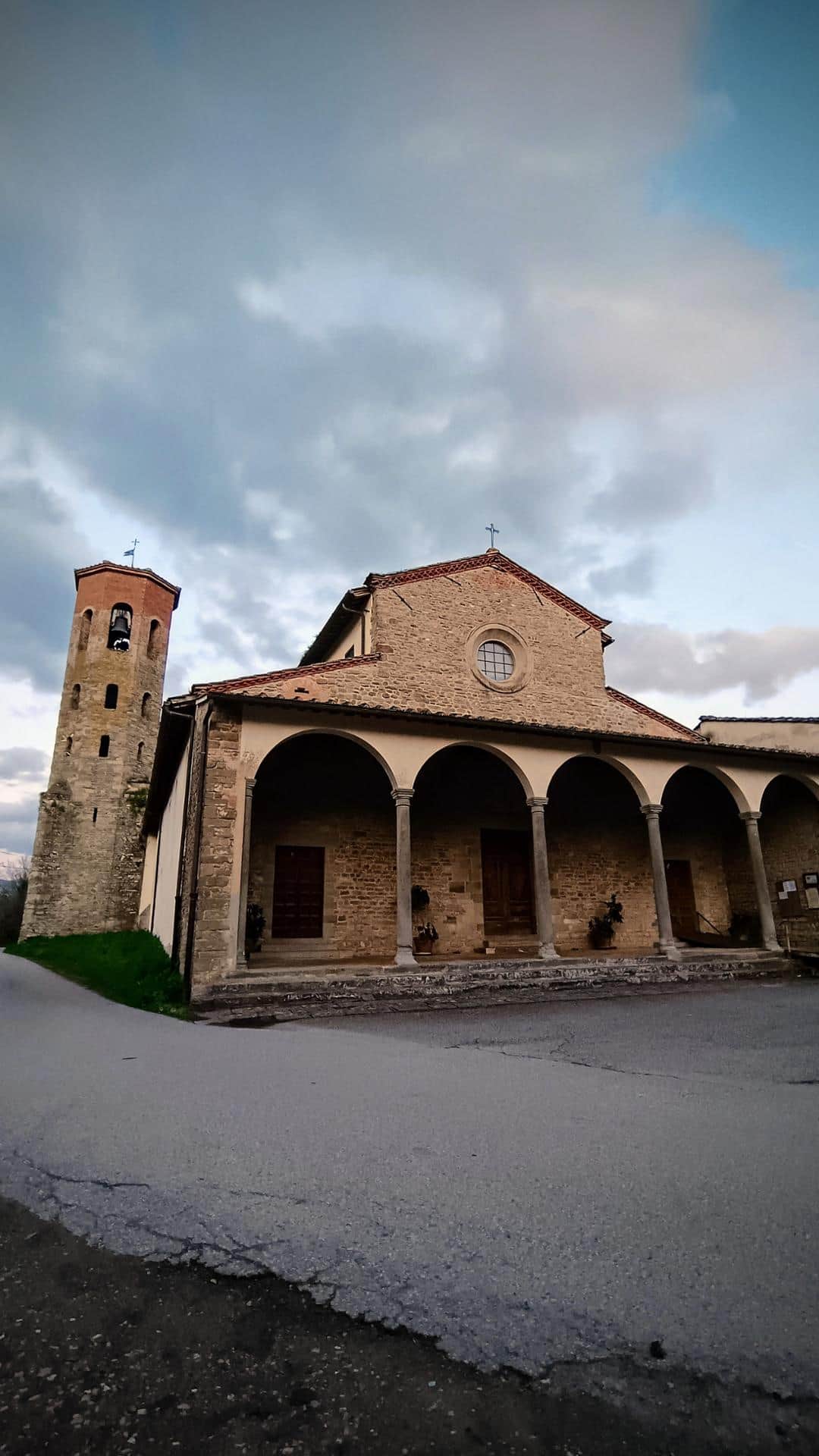
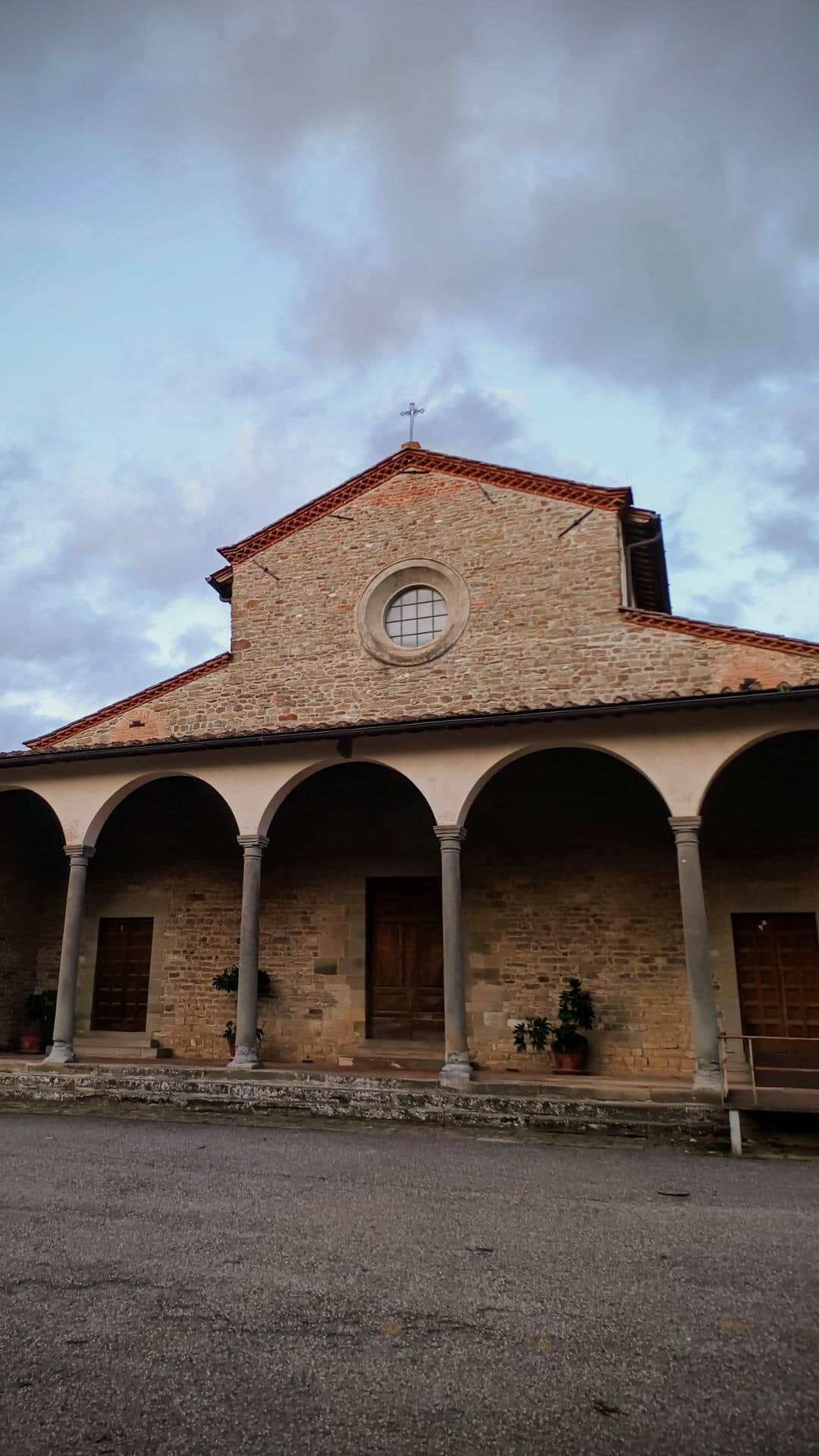
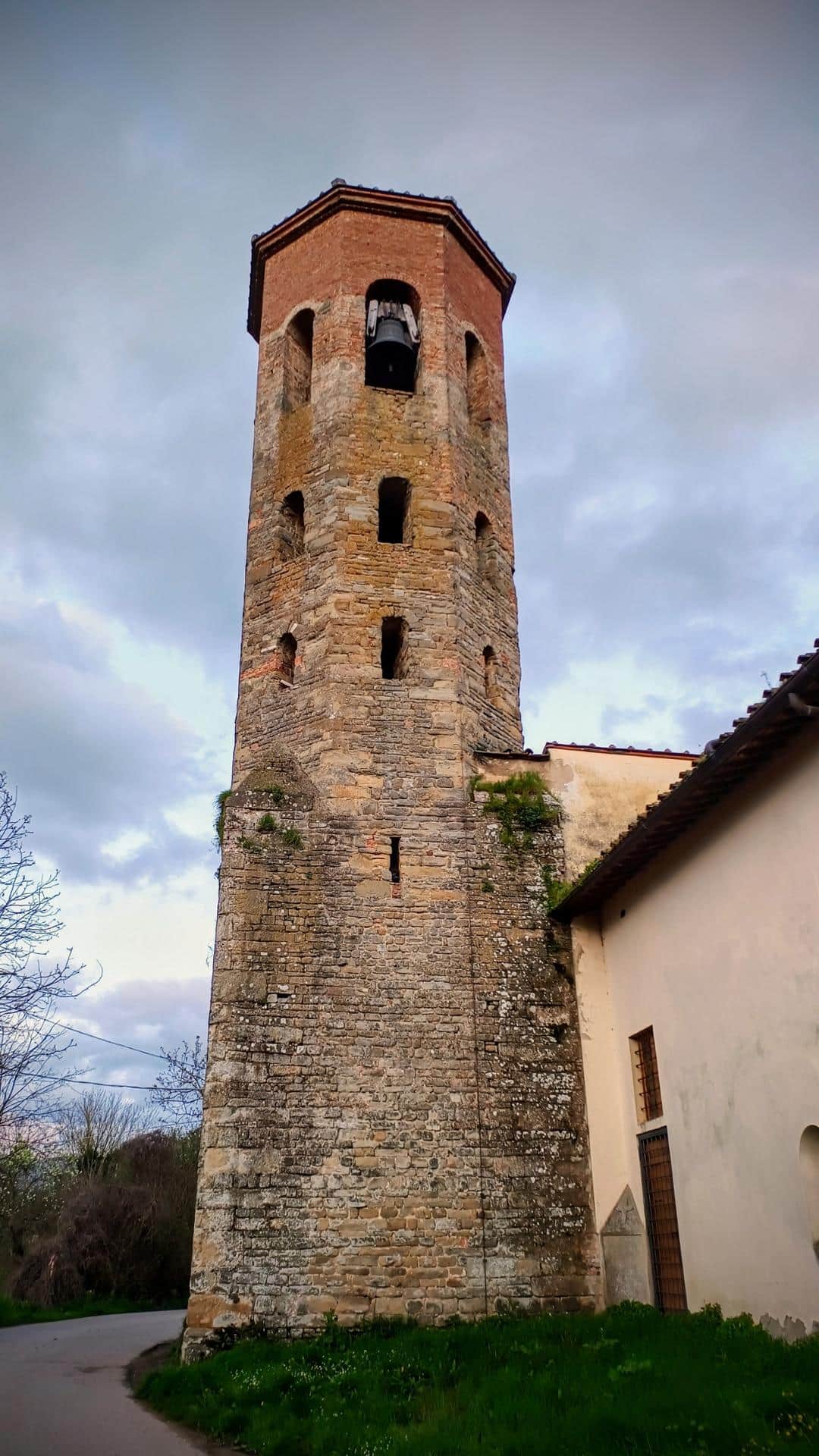
Externally, the church features a central nave elevated above the two side aisles, adorned with a portico of five arches, likely constructed in the early 20th century. On the northern side rises the bell tower, characterized by a tall square base upon which the octagonal bell tower is set. On each side of the bell tower, three progressively larger windows ascend from bottom to top. The brick part of the bell tower may be a result of the renovations the church underwent in the 15th and 16th centuries. On the plastered northern wall, three windows open, their stained glass made by the Chini workshop of Borgo San Lorenzo. The southern side of the building, instead, leans against the walls of the spacious rectory. Inside, it is divided into three naves with four bays supported by pillars. Modifications and restorations carried out in the 16th and 20th centuries have completely concealed the original structures.
The apse is the result of a complete reconstruction, perhaps from the 16th century. The church retains visible Romanesque structures only in the bell tower, the façade, and the side walls. Adjacent to the third pillar on the right stands the irregular octagonal pulpit, likely dating back to the 12th century. It is supported by three slender columns in white marble, topped by Corinthian capitals. The five faces, bordered by a frame and ovules, are made of white Carrara marble and green Prato stone.
📜Historical Notes:
The oldest record of the church dates to 950. In 1490, the Minerbetti nobles made some repairs to the church and shortly after obtained patronage from Pope Leo X, along with the right to appoint the parish priests. Between 1510 and 1530, the church and rectory were almost entirely rebuilt at the behest of the parish priest, Francesco Minerbetti.
In 1667, the parish priest installed a new high altar to house the remains of Saint Domitius the martyr, also donated by a member of the Minerbetti family.
Thus, the Oratory of the Immaculate Conception of Mary, even today, continues to shine in the greenery of the Tuscan countryside, a silent witness of faith and hope for successive generations, maintaining its sacredness and timeless charm intact.