Chiesa di Santa Maria a Olmi
Borgo San Lorenzo · Borgo San Lorenzo · Firenze
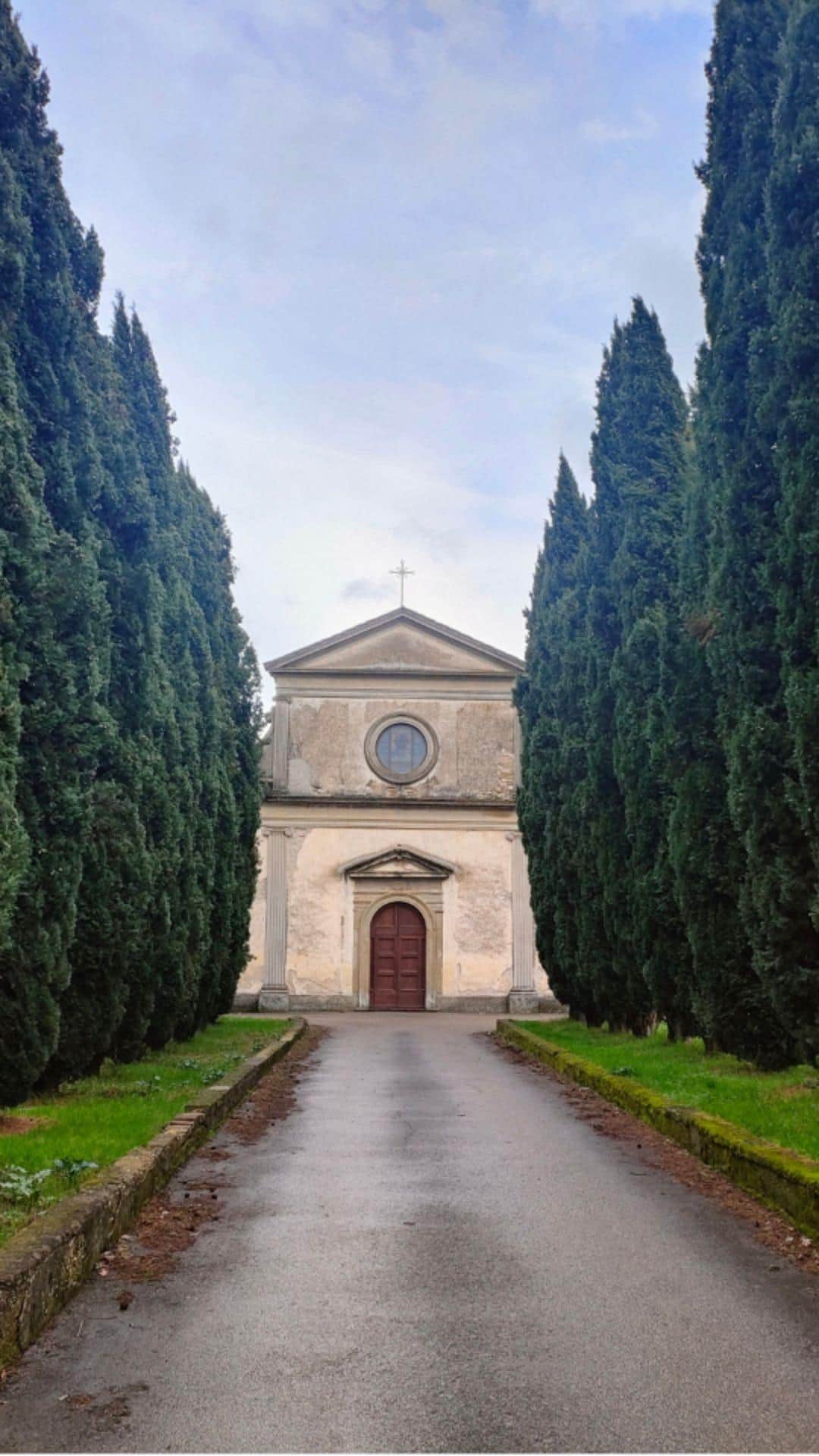
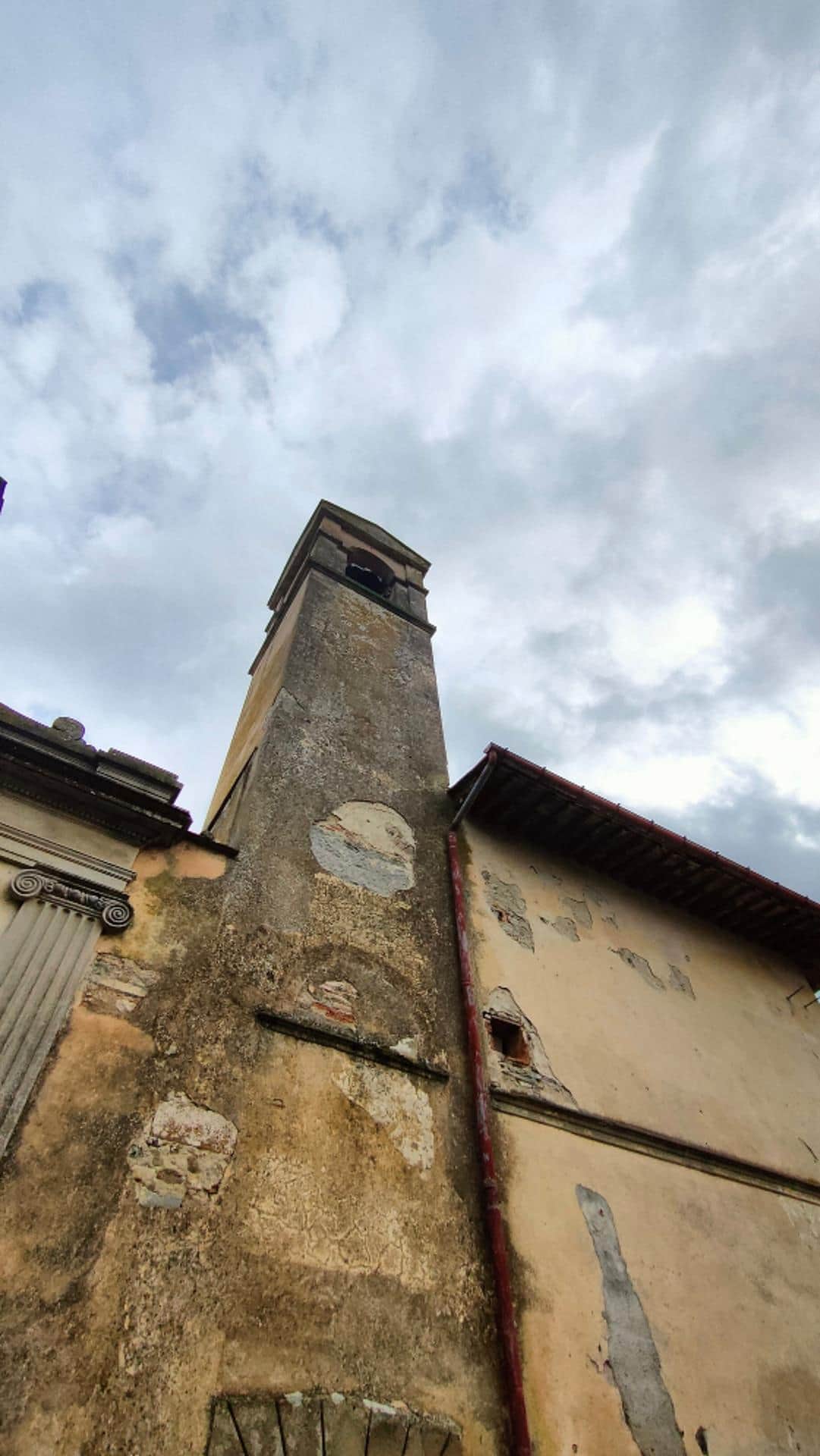
The church of Santa Maria a Olmi, located in Borgo San Lorenzo, was presumably founded before the first millennium, according to Giuseppe Maria Brocchi, prior from 1716 to 1722 and buried in the same building, could even date back to the time of Charlemagne. However, the oldest document attesting to its existence dates to 1161.
Architectural Transformations Over Time:
In 1280, the church underwent a radical transformation: two side chapels were added to its rectangular hall, almost forming a transept, with two corresponding ogival arches for access, and an atrium was erected in front of the facade. In the seventh decade of the sixteenth century, further interventions were carried out on the structure, including the reconstruction of the atrium in front of the entrance, which also housed the large stone edicola of the Madonna del Parto (located to the left of the main door) and the altar of the Parenti family, with Portelli's painting (positioned to the right of the main entrance).
Artworks Preserved Inside the Church:
Inside the church, several artistic masterpieces are preserved: a fourteenth-century fresco depicting the Madonna del Parto between San Cristoforo and Sant'Antonio, framed in a fifteenth-century stone tabernacle; a painting of the Assumption and saints by Alessandro Allori; and Carlo Portelli's Exaltation of the Cross.
The Noble Visitor: Francesco I de' Medici and Bianca Cappello:
In 1585, the elegant building next to the church hosted Grand Duke Francesco I de' Medici and Bianca Cappello. The latter was portrayed in fresco by Alessandro Allori; in 1871, the portrait was removed and transferred to the Uffizi Gallery in Florence.