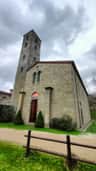
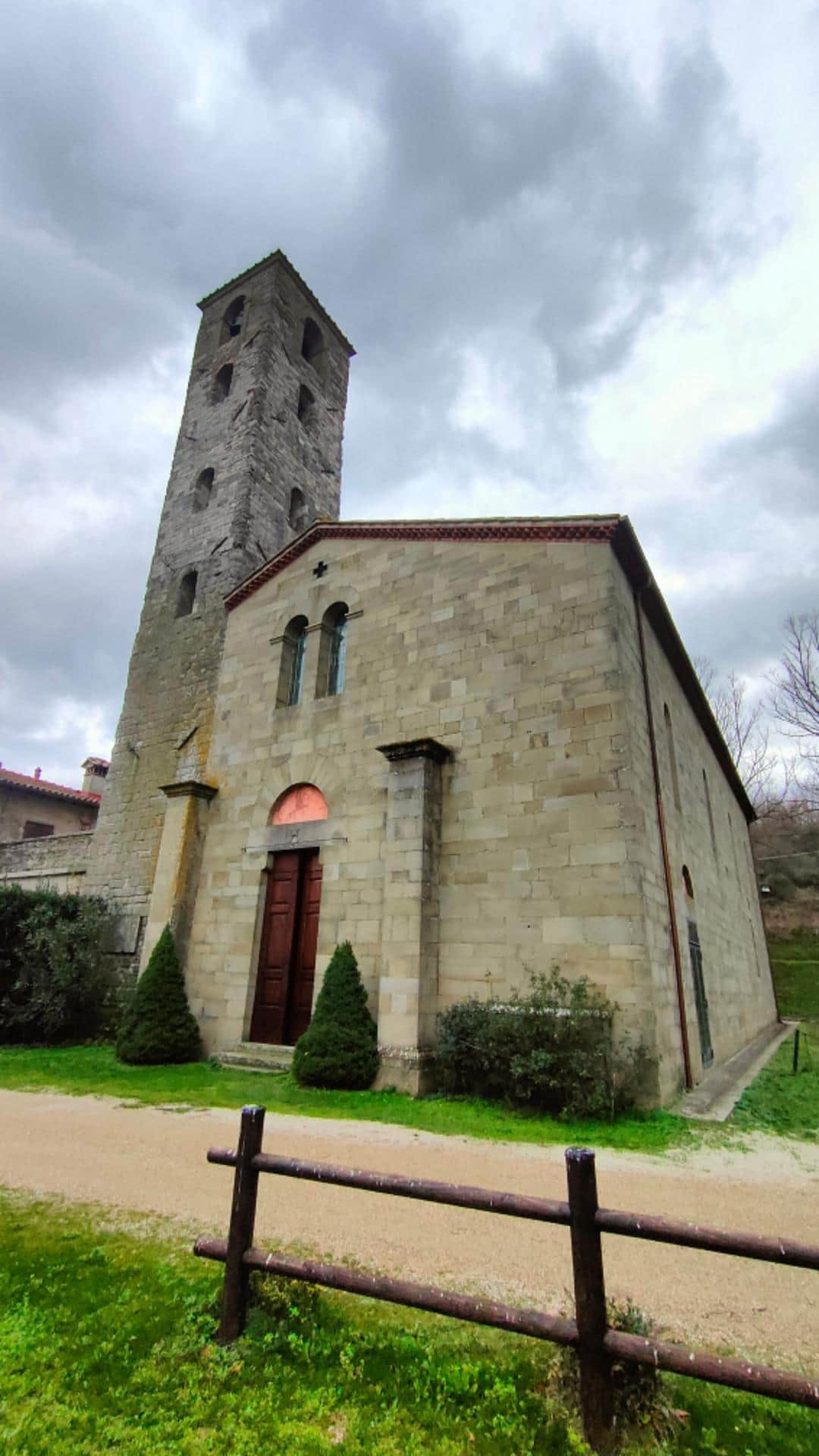
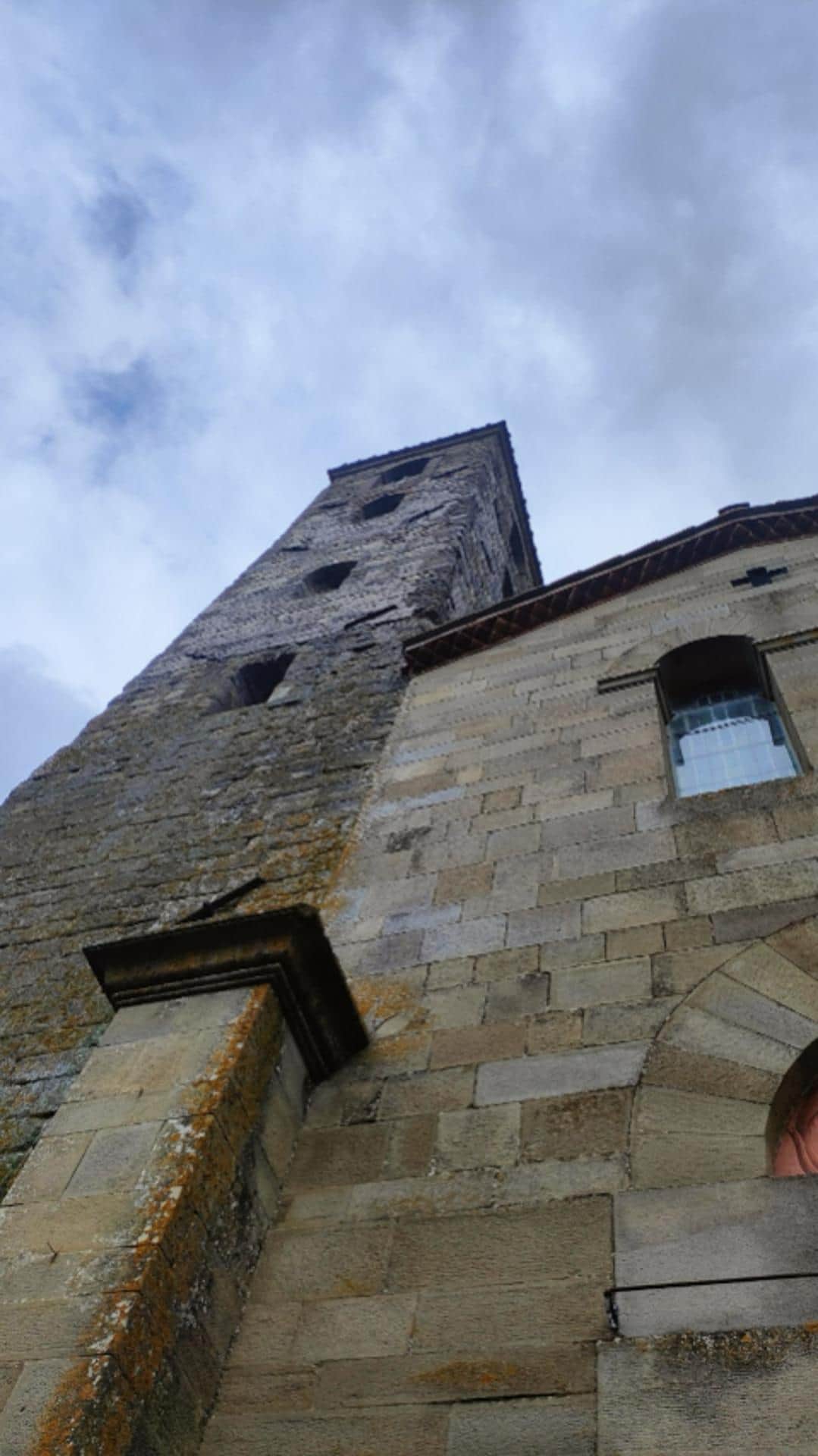
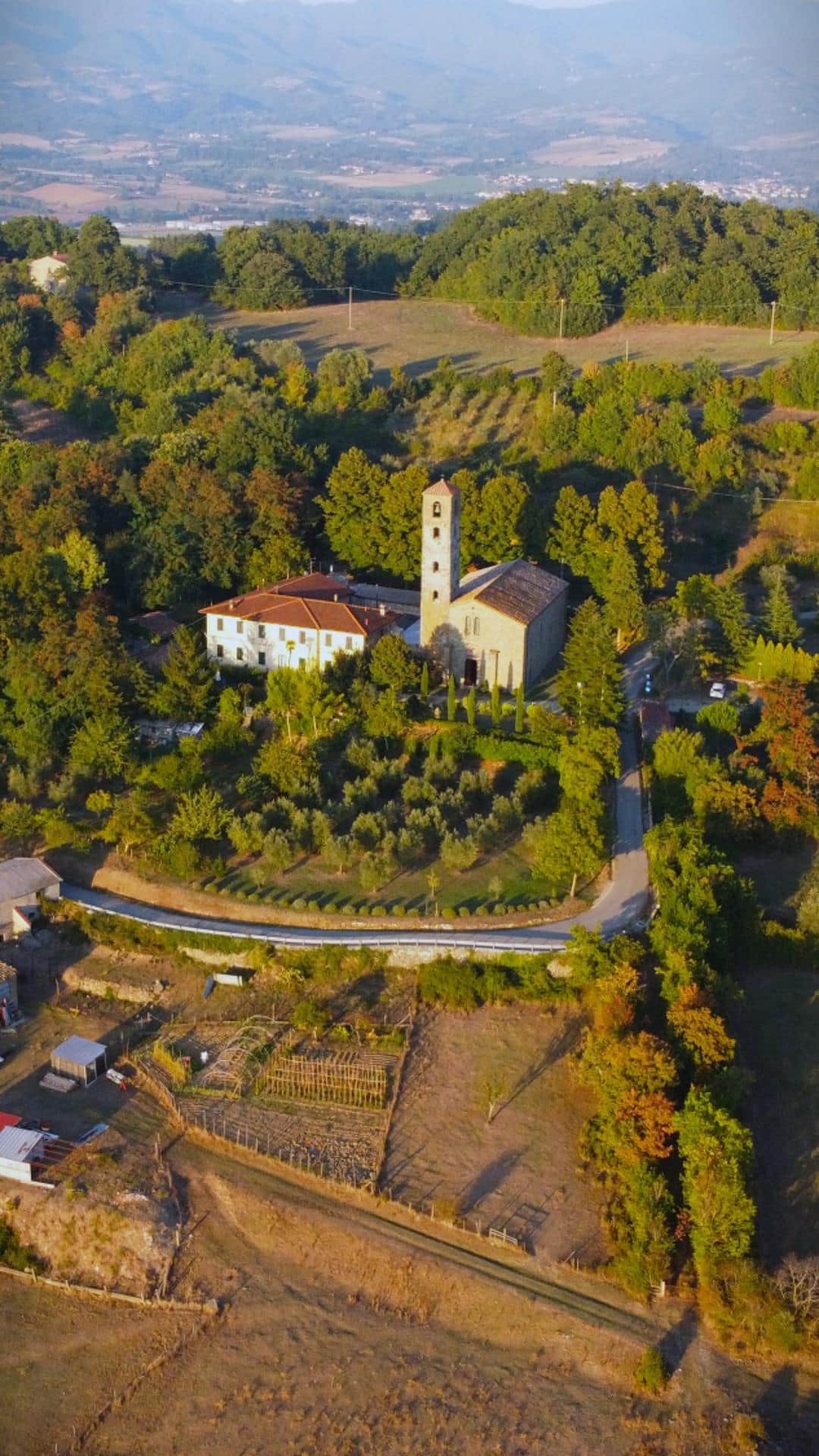
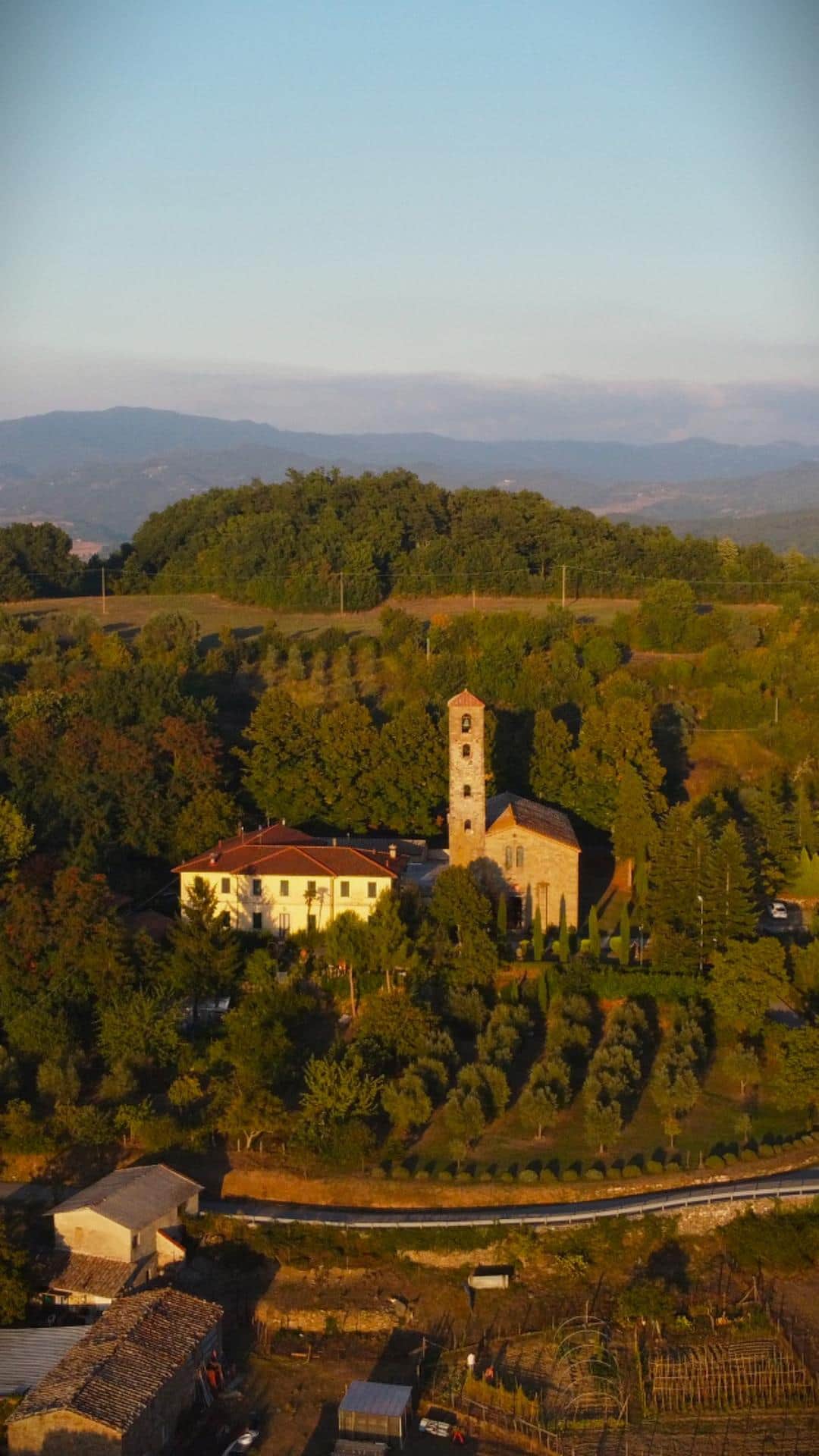
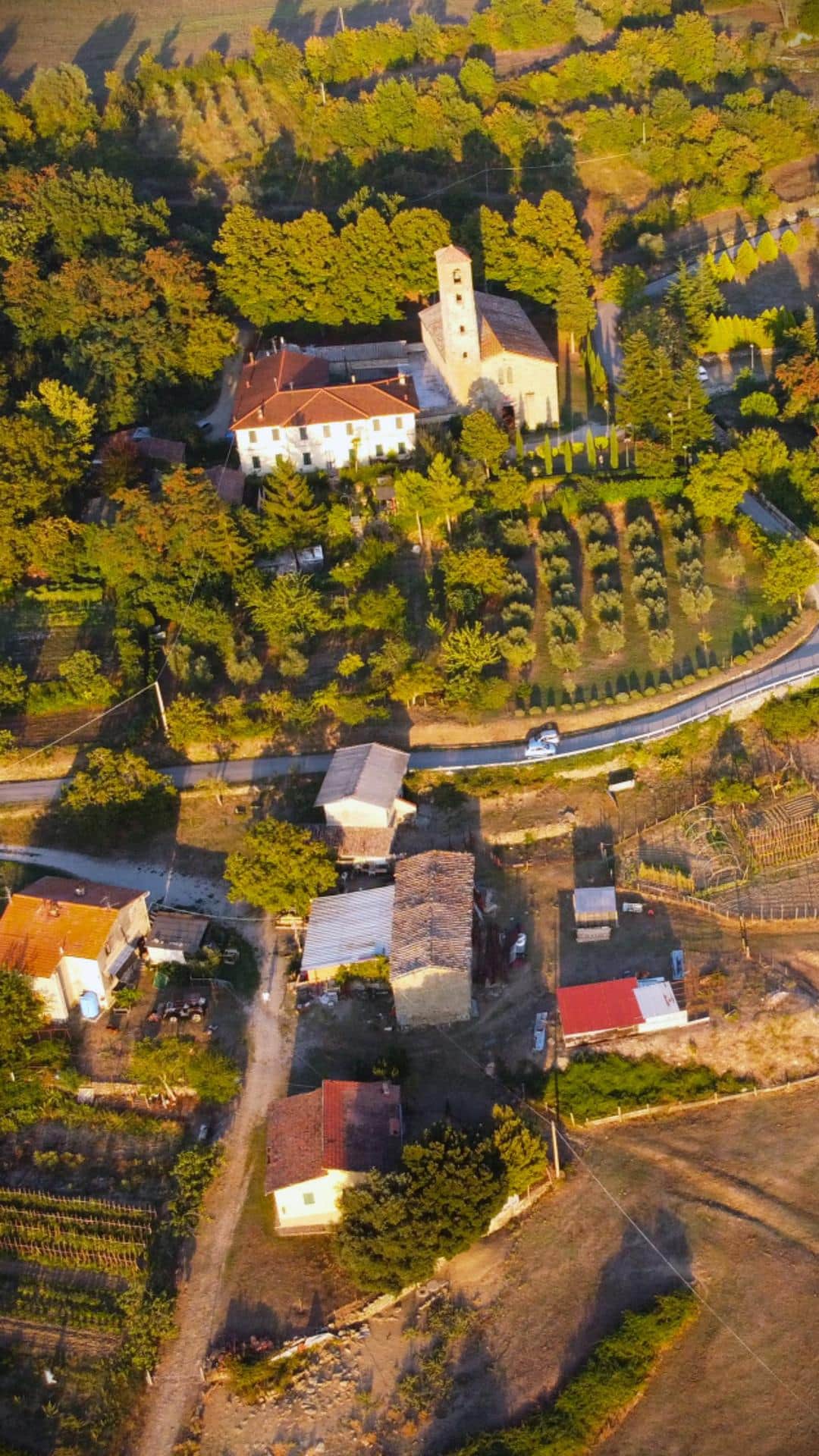
The Pieve of San Cresci in Valcava, renowned for its historical and religious significance in Mugello, stands on the site where, according to tradition, the martyrs Cresci, Ezio, and Onione were buried in the 3rd century. The church has undergone numerous interventions over the centuries, including a significant restoration in 1701 ordered by the Grand Duke of Tuscany, Cosimo III.
The Structure:
However, during a subsequent restoration, many original features were altered. Despite the earthquake of 1919 and subsequent restorations, much of the structure was rebuilt. The church houses important artworks, including a painting depicting the Annunciation by Anton Domenico Bamberini. Near the church is the Chapel of San Cerbone, also linked to the martyrs' history and adorned with significant artistic frescoes. The church possessed a rich artistic heritage, including a precious altarpiece and the famous reliquary bust of San Cresci, now housed in museums.
The Pieve still preserves an ancient stone tabernacle and an 18th-century baptismal font. Additionally, a sacristy with a chapel contains a recently restored fresco depicting the Annunciation by Anton Domenico Bamberini, dating back to the 18th century. The Pieve had a rich artistic heritage, including a precious altarpiece and the famous reliquary bust of San Cresci, now kept in museums.
The Chapel of San Cerbone: Another Historical Landmark:
A short distance away, along the road to the cemetery, stands the Chapel of San Cerbone, traditionally linked to the martyrs' history, and adorned with frescoes of significant artistic interest. This chapel is also part of the restorations commissioned by Grand Duke Cosimo III and contains paintings dating back to the 19th century.