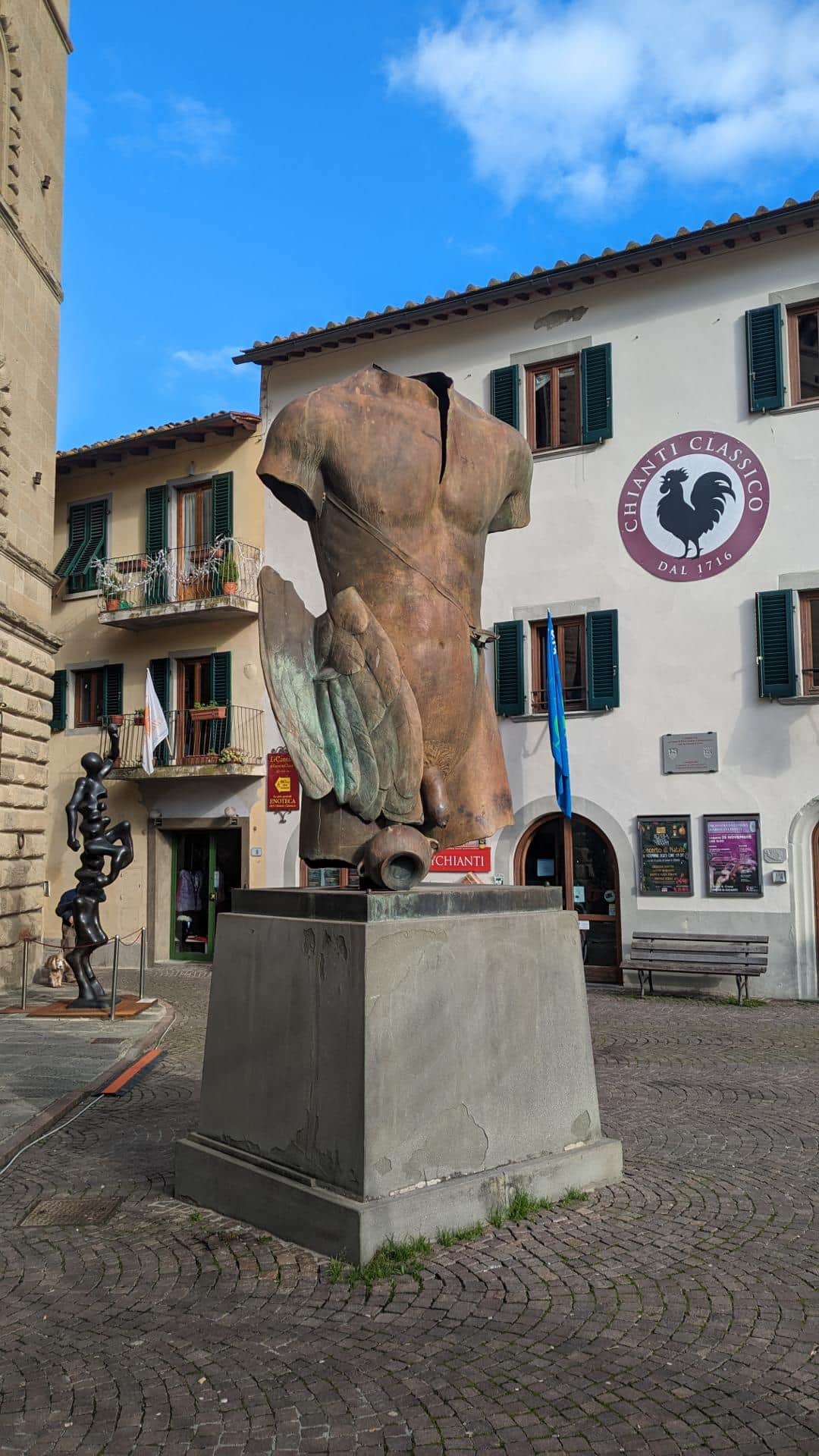
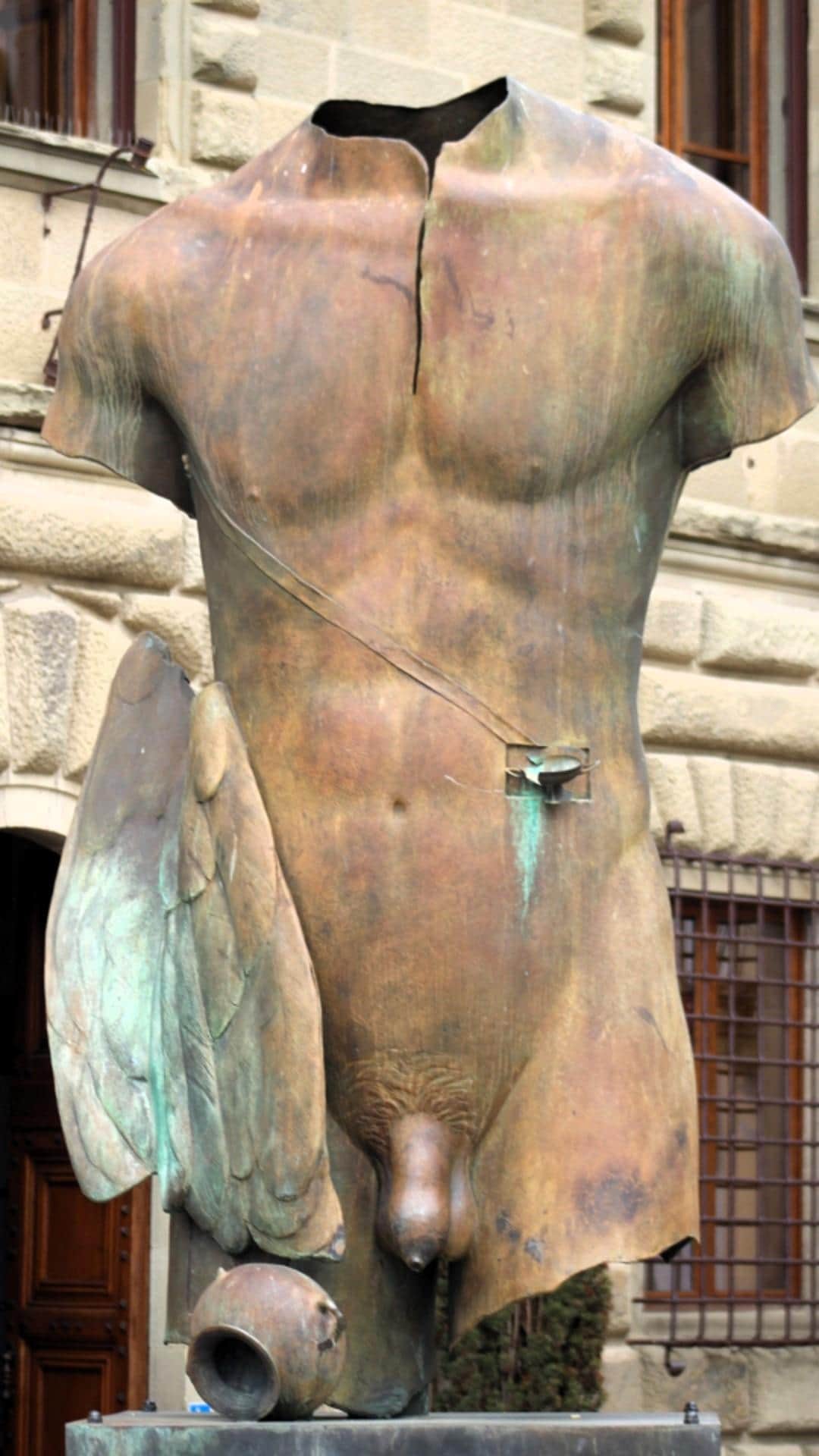
Igor Mitoraj, the renowned Polish sculptor, has left an indelible mark on the international art scene through his iconic work, the "Winged Torso." This masterpiece is an eloquent example of Mitoraj's mastery in blending classical elements with touches of surrealism, creating artworks that not only capture attention but also challenge traditional perception.
The fusion of classic and modern: Mitoraj's distinctive signature
Mitoraj's distinctive signature is evident in his "masks" and statues, clearly inspired by classical aesthetics. His work represents a fascinating fusion of ancient forms and modern reinterpretations, a dance that traverses past and present, offering a unique glimpse into artistic creativity.
Mitoraj's sculptures
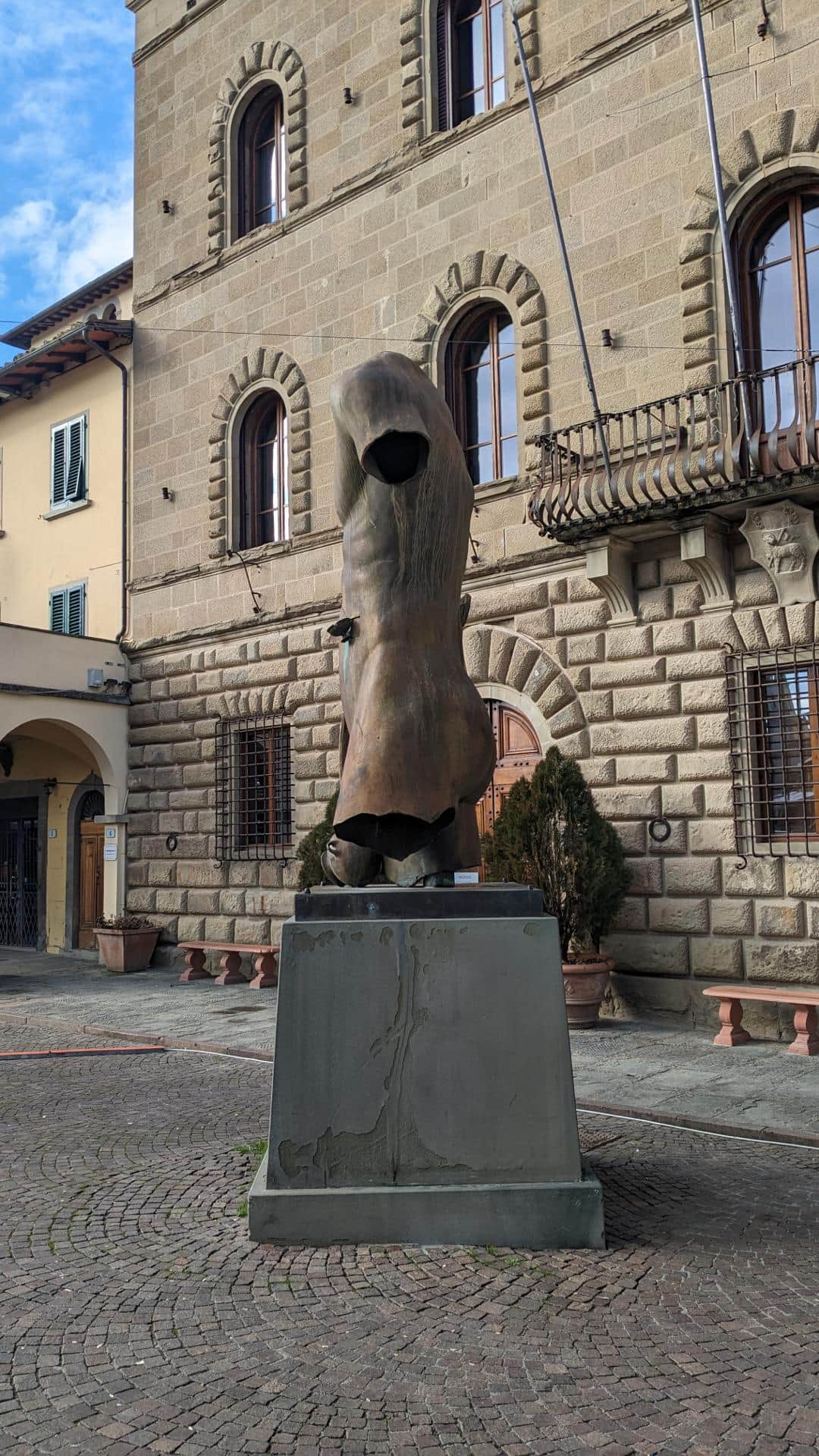
Mitoraj's sculptures, immersed in a surreal and citational atmosphere, rise with grandeur, creating an effect of monumentality that captivates viewers. Like many works of antiquity, his figures are never entirely complete. Often, arms or parts of the body are missing, giving rise to compositions of sculptural fragments that add an element of mystery and stimulate reflection.
Reflections on humanity: The meaning of the "Winged Torso"
Through the "Winged Torso" and his other works, Mitoraj not only celebrates formal beauty but also invites observers to explore the concept of incompleteness, of fragmentation that characterizes the human condition. His sculptures thus become not only artistic expressions but also vehicles for reflection on the ephemeral and ever-changing nature of existence.
Mitoraj's contribution to art
With his timeless mastery, Mitoraj has left a lasting legacy in the art world, demonstrating that the fusion of ancient and modern can generate timeless works that speak directly to the soul of those who contemplate them. His unique artistic journey combined classical aesthetics with surrealist elements, challenging artistic conventions with a contemporary touch.
Mitoraj was personally involved in choosing the location and design for his work in the Municipality of Greve in Chianti, in 2002. After examining the square and the town hall, he chose the "Winged Torso," to which he added a cup in homage to Greve and Chianti. He also selected the stone and the precise location for the statue's placement, demonstrating his deep involvement in the project. The stone for the base was extracted from the Caprolo sandstone quarry and shaped according to the artist's instructions.