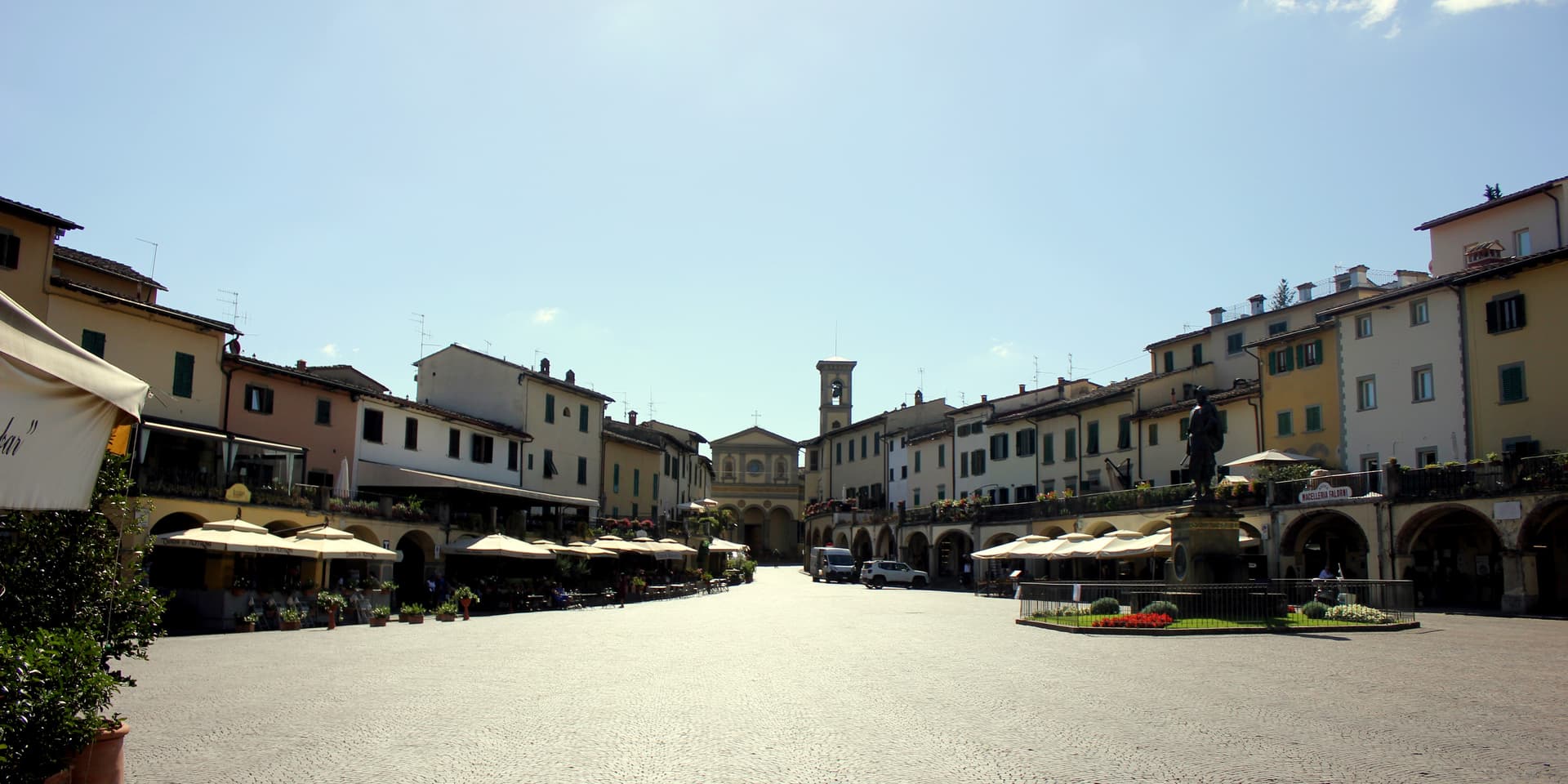
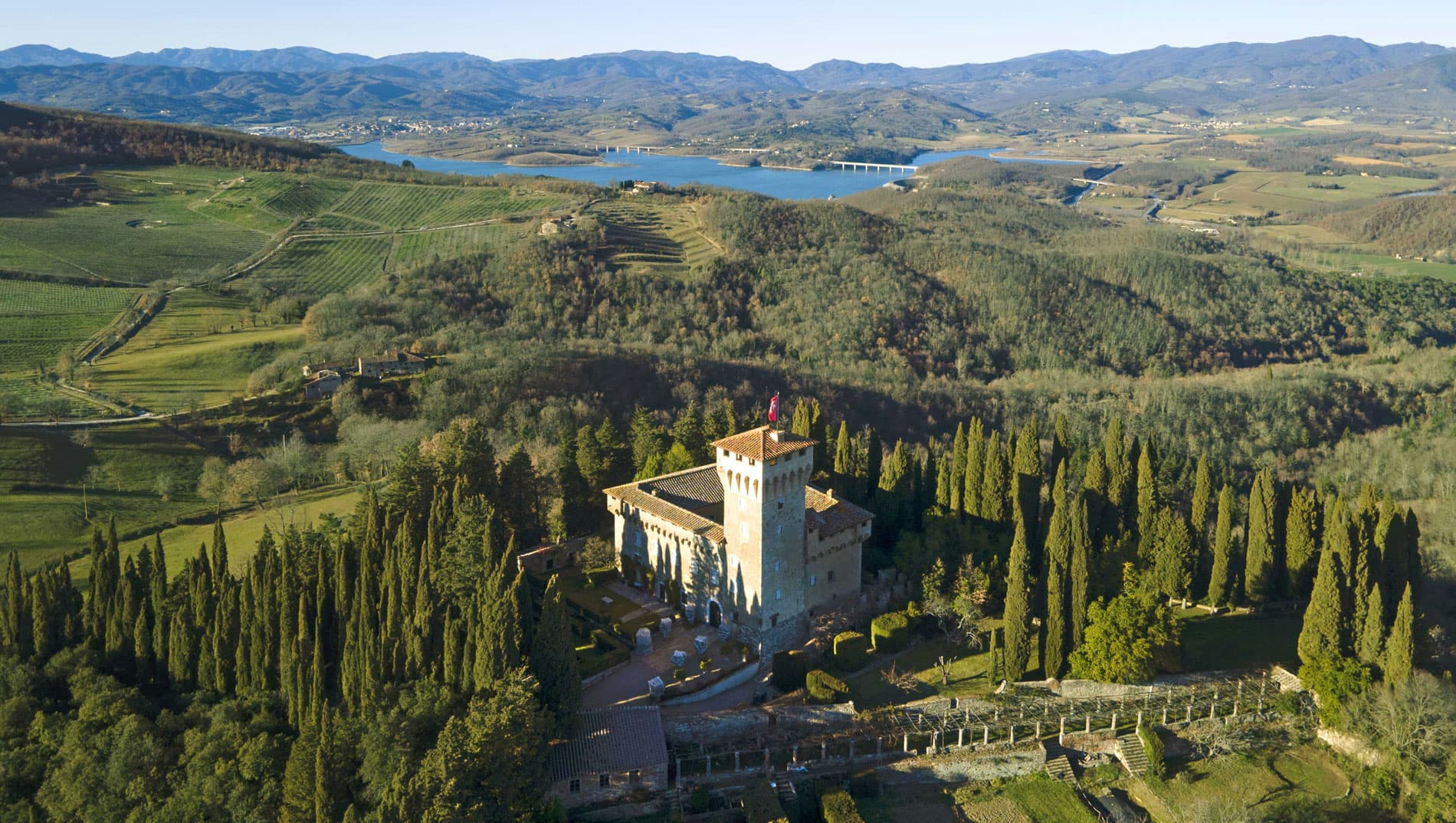
Located in the heart of Tuscany, northeast of Florence, the Mugello is a valley surrounded by gentle hills and mountains, with a history that reaches back to ancient times. This area, known for its enchanting landscape and cultural traditions, has played a significant role over the centuries, becoming a hub of passage and exchange between various peoples and civilizations.
Ancient Origins: Anneiamum, the Etruscans, and the Romans
The earliest traces of human settlements in the Mugello date back to the Etruscan era, between the 8th and 3rd centuries BCE. The Etruscans, an advanced and mysterious people who dominated much of central Italy, had developed a dense commercial network that crossed the Mugello valley. One of the main Etruscan centers in this area was called "Anneiamum," an ancient settlement that attests to the Etruscan presence and influence in the region. Numerous archaeological finds, including necropolises, pottery, and tools, confirm the importance of the Mugello as a crossroads of trade.
With the Roman conquest of Tuscany in the 3rd century BCE, the Mugello became an integral part of the Roman Empire. The Romans built important infrastructure, such as roads and bridges, facilitating the connection between Florence and the Apennines. During the Roman era, the valley thrived thanks to agriculture, livestock, and pottery production, activities that continued to characterize the local economy for centuries.
The Middle Ages: The Lordships and the Growth of Villages
In the Middle Ages, after the fall of the Roman Empire, the Mugello became a battleground for invasions and disputes between various powers. The region came under Lombard rule and later the Franks. During this period, many villages and castles sprang up along the Mugello hills, marking the landscape with towers and fortifications. Some of these castles, such as those in Cafaggiolo and Vicchio, are still visible and represent significant evidence of the medieval history of the area.
In the 12th and 13th centuries, the Mugello became an area of expansion for the city of Florence. Many powerful Florentine families, such as the Medici, the Guidi, and the Ubaldini, acquired vast territories in the valley, developing agricultural and commercial activities. This period was characterized by great cultural and economic vitality, with the construction of churches, monasteries, and noble villas.
The Age of the Medici and the Renaissance
The Renaissance marked the peak of Mugello's history, thanks to the involvement of the Medici family. Originally from the valley, the Medici maintained a deep connection with the region, financing the construction of numerous villas and residences, such as Villa di Cafaggiolo and Villa del Trebbio. These estates became centers of cultural and intellectual activity, frequented by artists, philosophers, and scientists of the era.
Under Medici rule, the Mugello prospered culturally and economically. Agriculture reached a high level of development, with the cultivation of vineyards, olive groves, and the production of staple goods such as wheat and livestock. The Medici villas, with their gardens and agricultural estates, represented models of advanced agricultural management.
From the Grand Duchy to the Contemporary Period
With the end of the Medici dynasty and the advent of the Grand Duchy of Tuscany under the Lorena family, the Mugello maintained its agricultural and territorial significance. In the 19th century, following the Unification of Italy, significant social and economic changes took place, leading to a progressive transformation of the rural landscape.
In the 20th century, the Mugello was involved in crucial events in Italian history, including the World Wars. Particularly during World War II, the valley was the site of important clashes between Allied troops and German forces along the Gothic Line, leaving an indelible mark on the memory of the local population.
The Mugello Today: Tradition and Innovation
Today, the Mugello is known for its scenic beauty, rich traditions, and cultural heritage. Agriculture continues to play a fundamental role in the local economy, with the production of typical products such as extra virgin olive oil, wine, Mugello IGP chestnuts, and bread. Additionally, the Mugello is renowned for its international racing circuit, which hosts world-class sporting events, including the MotoGP.
Tourism is a vital part of the Mugello's economy. Visitors are attracted by the picturesque villages, historic villas, nature trails through woods and hills, and the hospitality of the locals. The Mugello continues to combine the preservation of its historical roots with the challenges of modernity, representing an example of balance between past and present.